| Name | Variable Tarif Short Rectangular PT-01 AUTOMATIC FIXED UNIT FEE OPERATION |
| Date | late 1920s |
| Manufacturer | PMG Sydney Workshop |
| Usage | Supervised |
| Notes | Automatic Fixed Unit Fee PT |
| PTVT-06 | See more notes below. |
| Further notes |
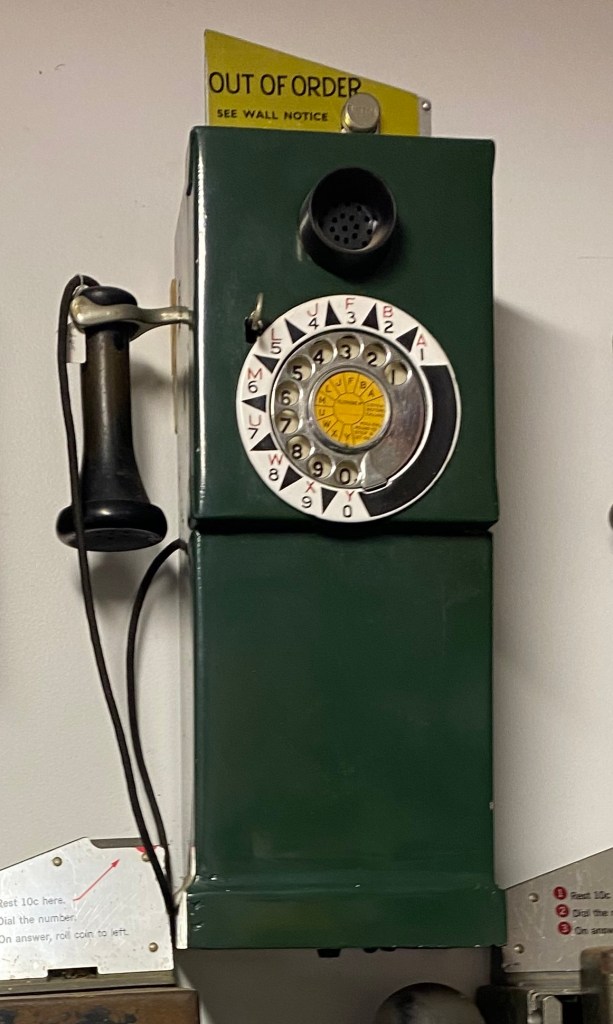
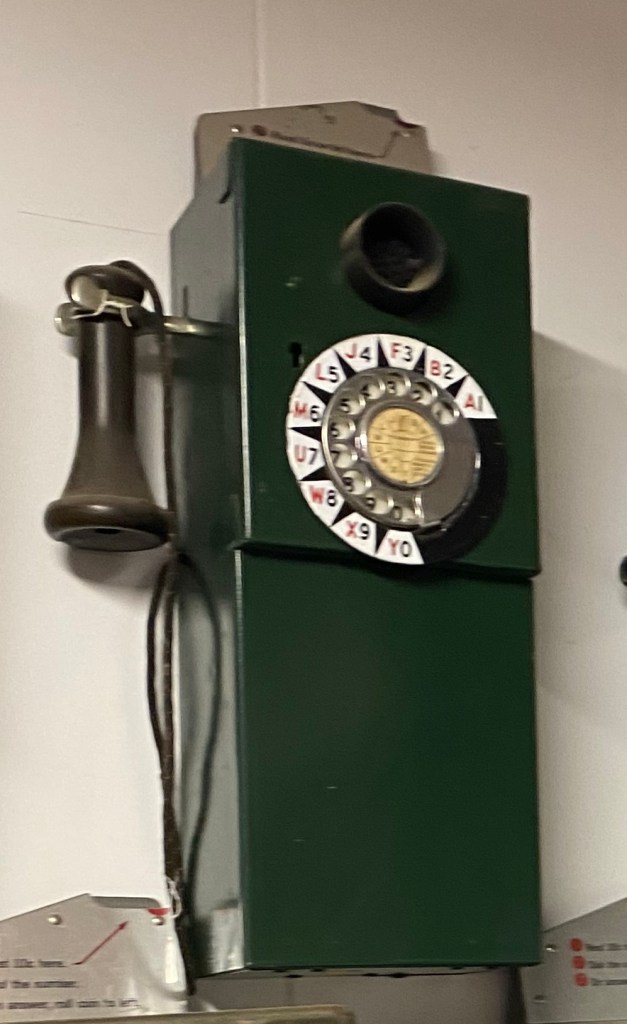
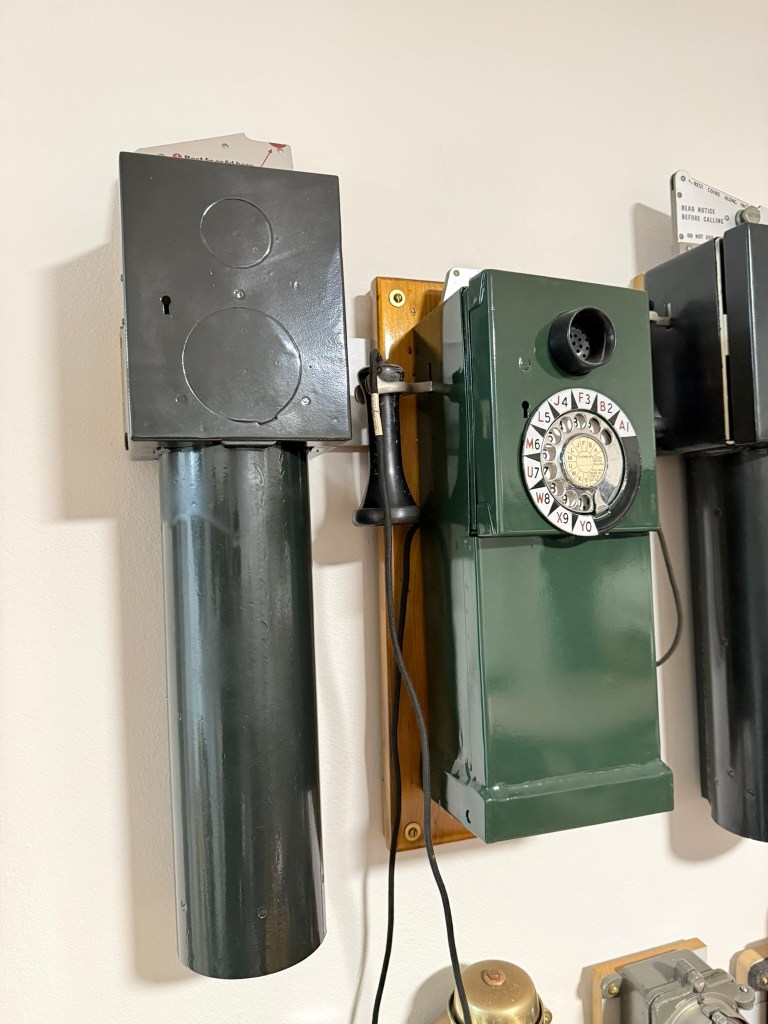
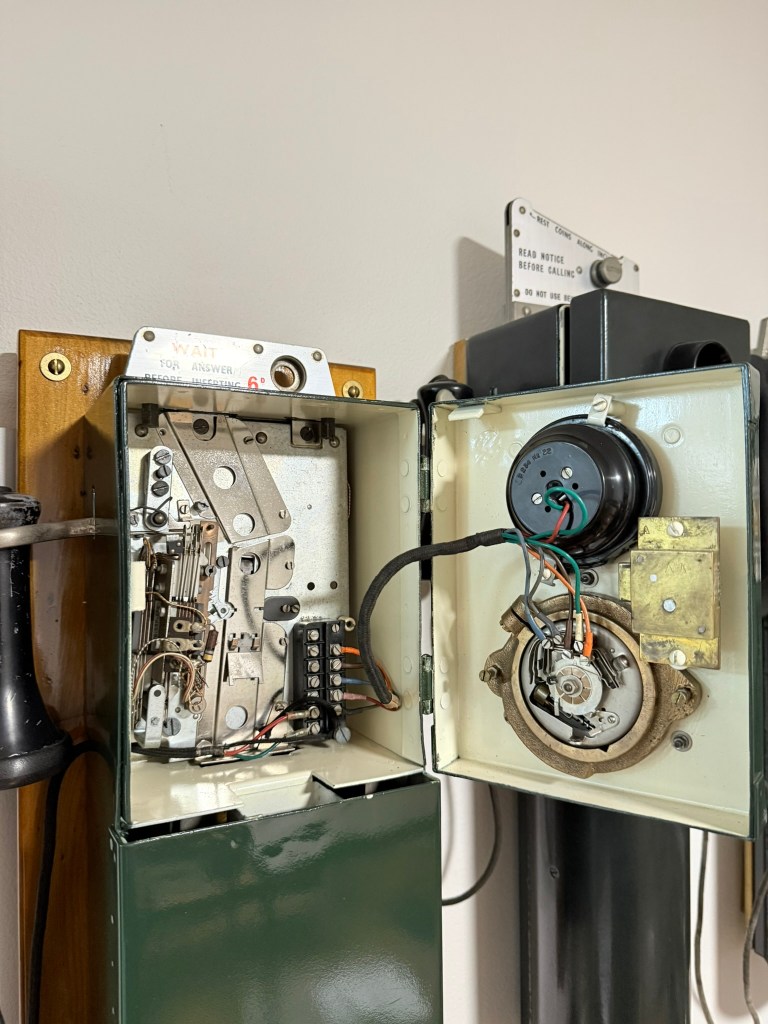
| AUTOMATIC FIXED UNIT FEE OPERATION: By the late 1920s the momentum of establishing automatic exchanges had necessitated the design of a local call telephone which did not require operator assistance. What occurred was the adoption of a universal design which incorporated a coin receptacle, very much like the original shapes, with a housing at the top containing the circuitry. This top compartment was fitted with a switch hook and bell receiver, dial and transmitter being fixed into the face of the compartment door, which opened for easy maintenance. The bottom coin compartment which held a removable coin tin also aped the shapes of the earlier coin receptacles. Fig.6 depicts the oblong as opposed to the round version, and Fig.7 illustrates the automatic fixed unit fee mechanism. HOW THE MECHANISM WORKED: When a line potential reversal was received on ‘called subscriber answer’, a polarised relay operated preventing conversation until the user inserted two pennies. These ran halfway down the coinway where they were held by a roller and spring which operated to short circuit the relay, allowing conversation to proceed. When the receiver was restored the switch hook mechanically released the roller which allowed the pennies to pass into the coin tin. The two penny coin head and layout of the mechanism could not be adapted to accept a change in tariff, it was restricted to one or two penny operation. Source- (with thanks to) History of the telephone in New South Wales / by Jim Bateman [Croydon, N.S.W.] : J. Bateman, 1980 ISBN: 0959478701 |
 Pay phone Story
Leave a comment