| Name | Siemens Payphones |
| Date | |
| Manufacturer | Siemens |
| Usage | |
| Notes | Three main types: |
| PR-05S1 Siemens MP-10 Plastic (Yellow) | 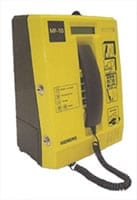 |
| PR-05S2 Siemens MP-20 Steel | 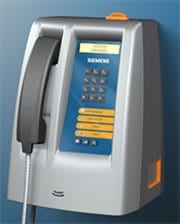 |
| PR-05S3 Siemens MP-30 Steel | 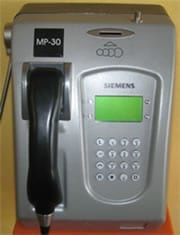 |
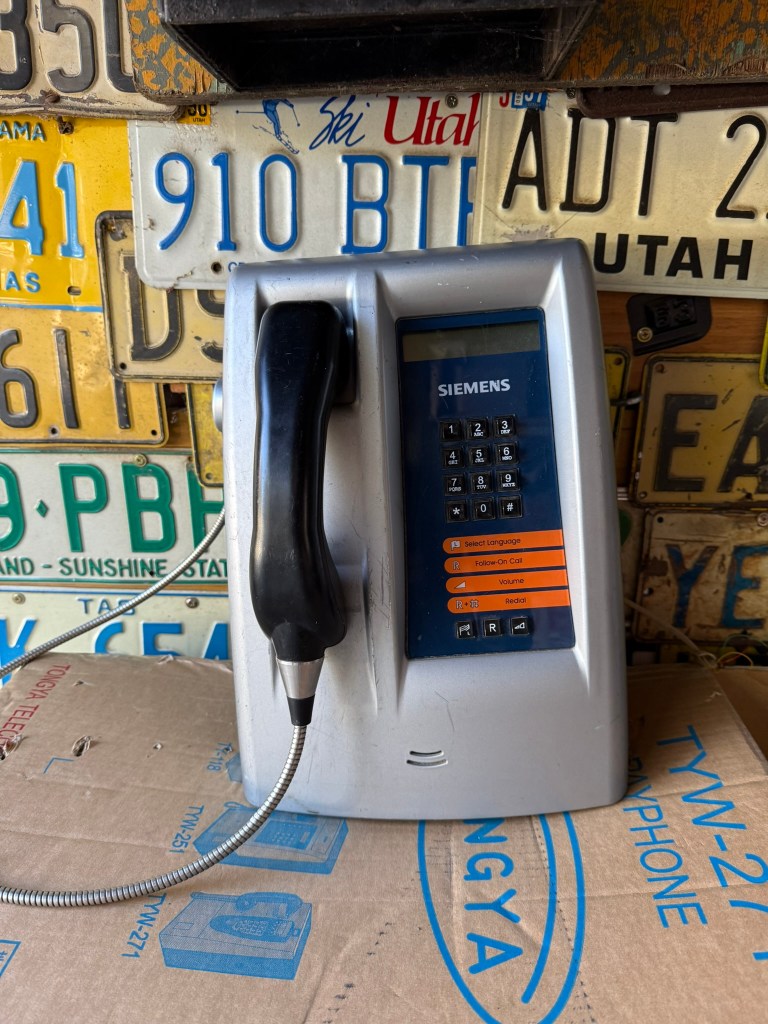
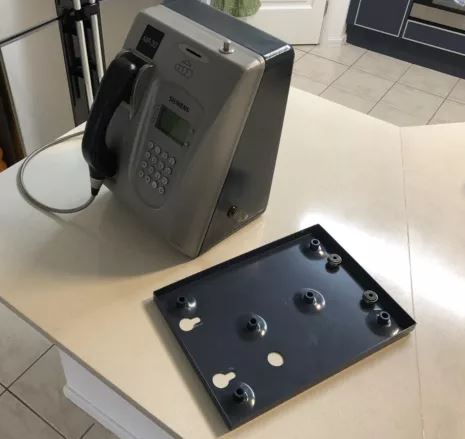
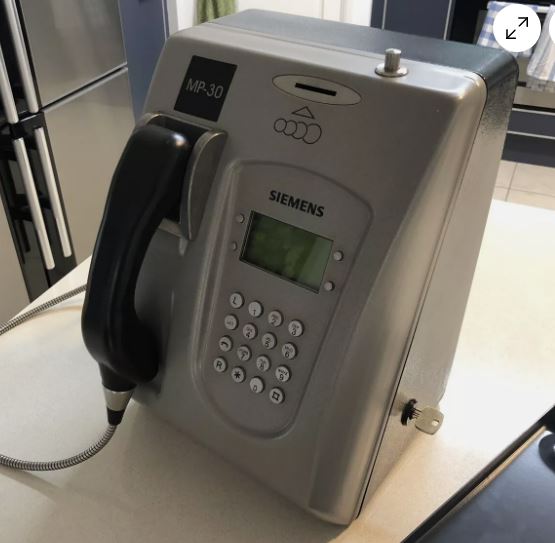
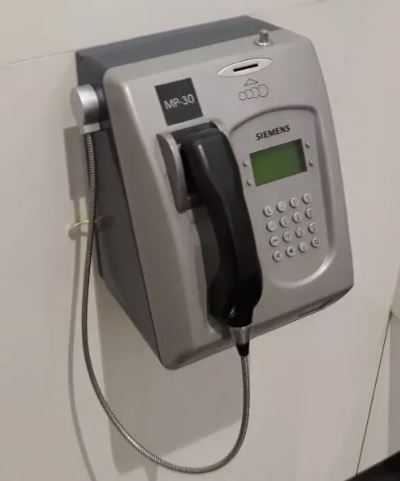
| Further notes |
| Siemens has played a notable role in the development and supply of payphone technology in Australia, particularly through its collaborations with Telstra and other manufacturers. Siemens’ Contributions to Australian Payphones SLE4436E Chip: Siemens manufactured the SLE4436E chip, which was integral to Telstra’s disposable phonecards. These cards were widely used in payphones across Australia, allowing users to make calls without coins. publicphone.tripod.com MP-10 Payphone Model: Siemens developed the MP-10 payphone, designed for supervised areas. This model featured a robust plastic casing, could be mounted on a desktop, stand, or wall, and accepted various coin denominations (10c, 20c, 50c, $1, and $2). It also included features like timed local calls, an efficient coin storage system with a best-change charging algorithm, and separate locks for the coin box and electronics compartment. ctiv.com.au Collaborations and Manufacturing While Siemens provided critical components and technology, the physical manufacturing of many payphone units was handled by other companies. For instance, Amper, a Spanish company closely associated with Siemens, manufactured payphones equipped with automatic fault reporting systems. These systems allowed payphones to dial a central number to report faults automatically. |
 Pay phone Story
Leave a comment