| Name | “Head-Box” Type of Cabinet |
| Date | 1920s |
| Manufacturer | PMG |
| Usage | Public call box- safe or protected locations such as Railway Stations and Post Offices |
| Notes | Very common on main roads of country towns |
| More notes see below- |
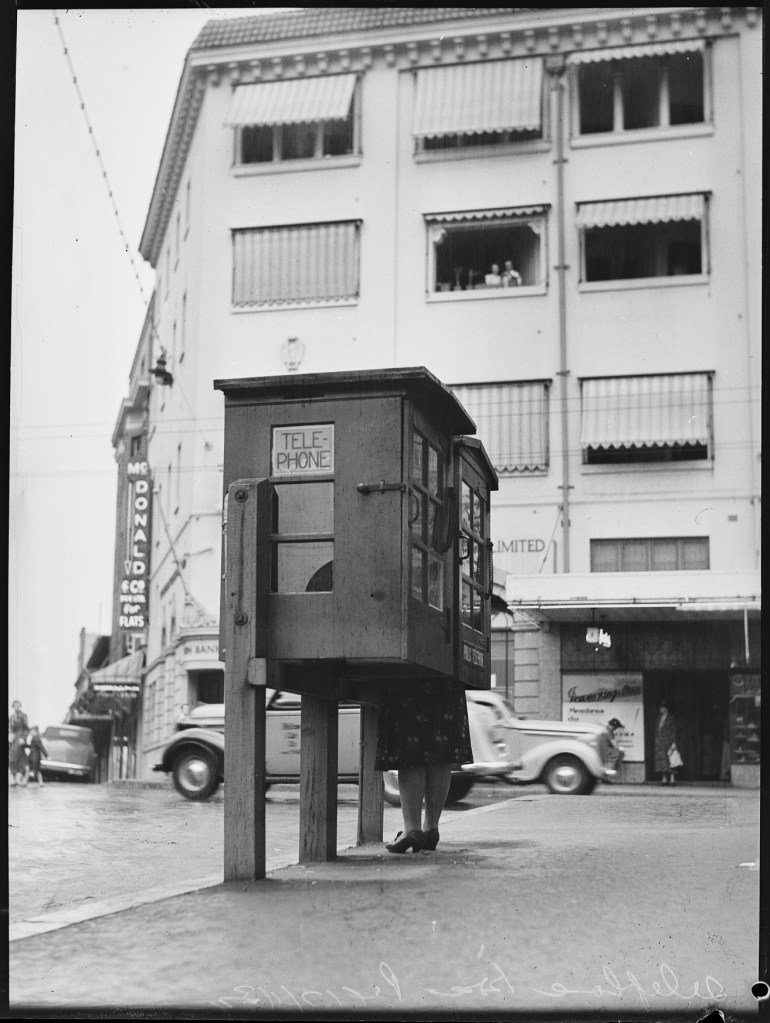
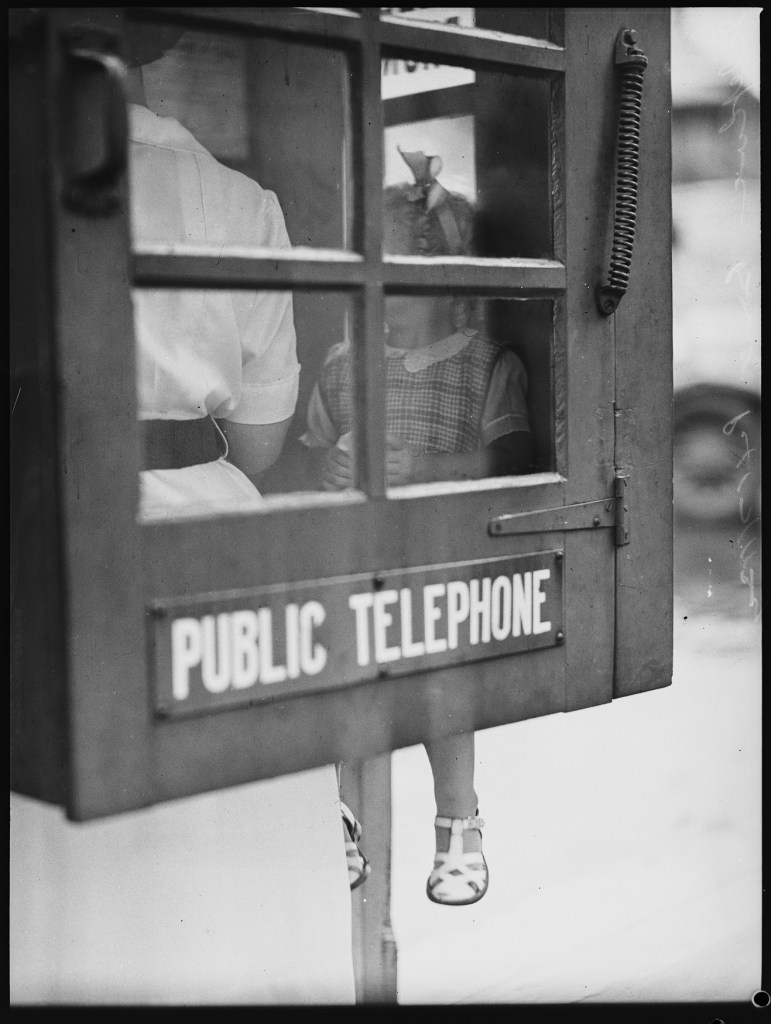
| Further notes |
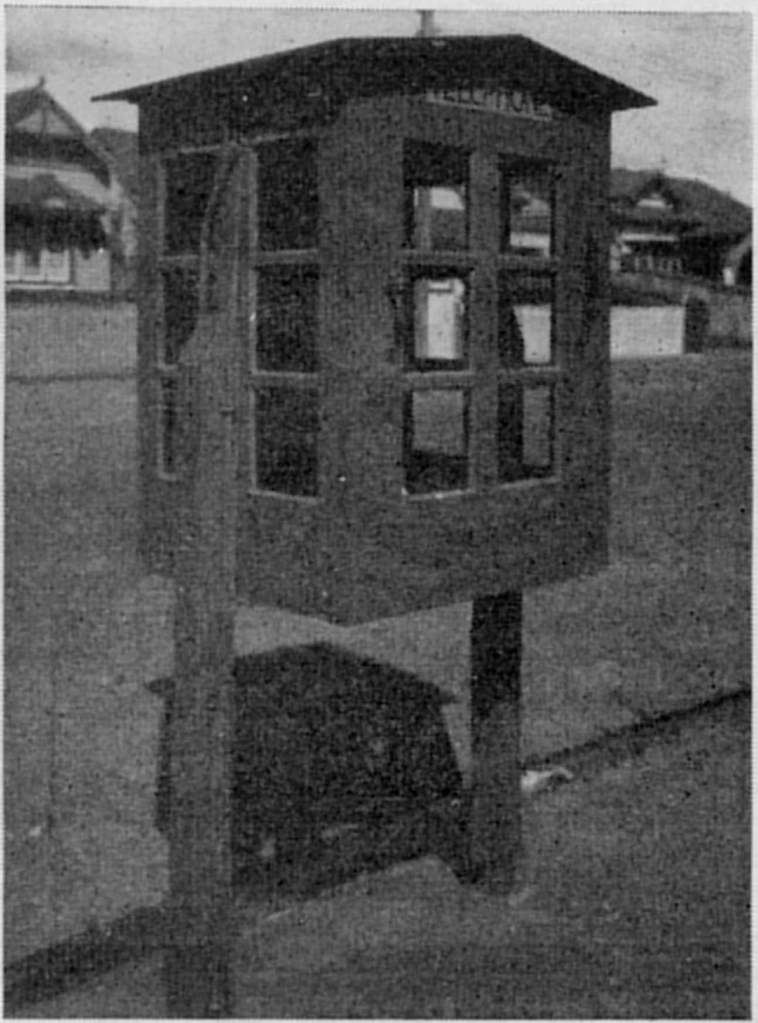
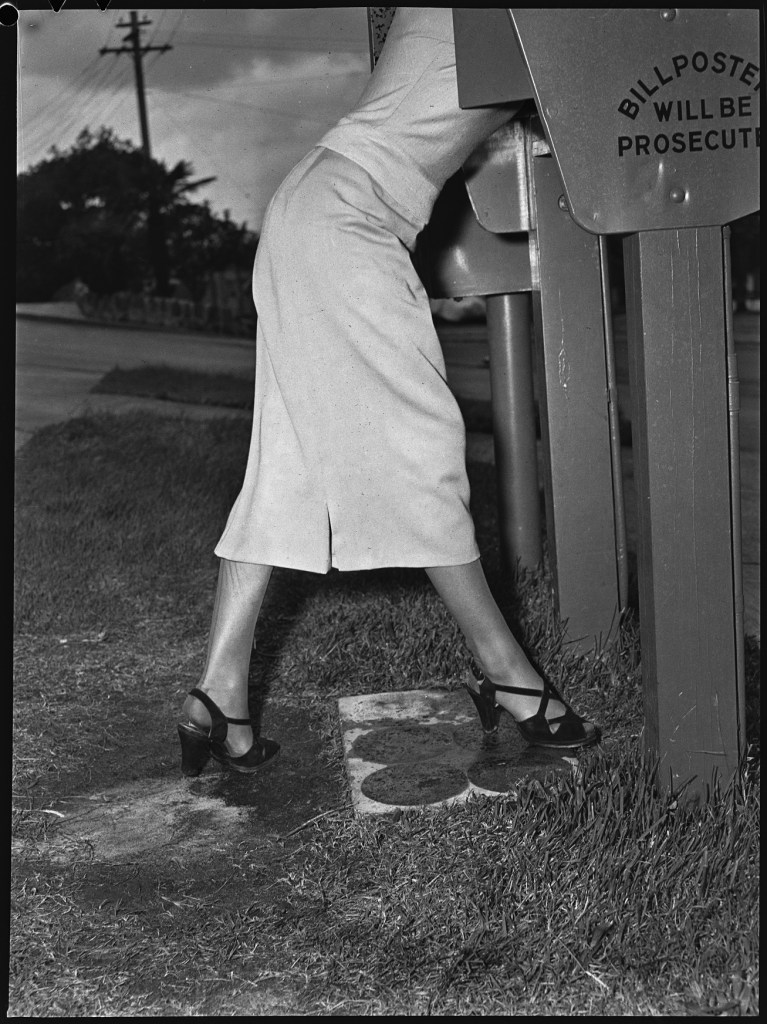
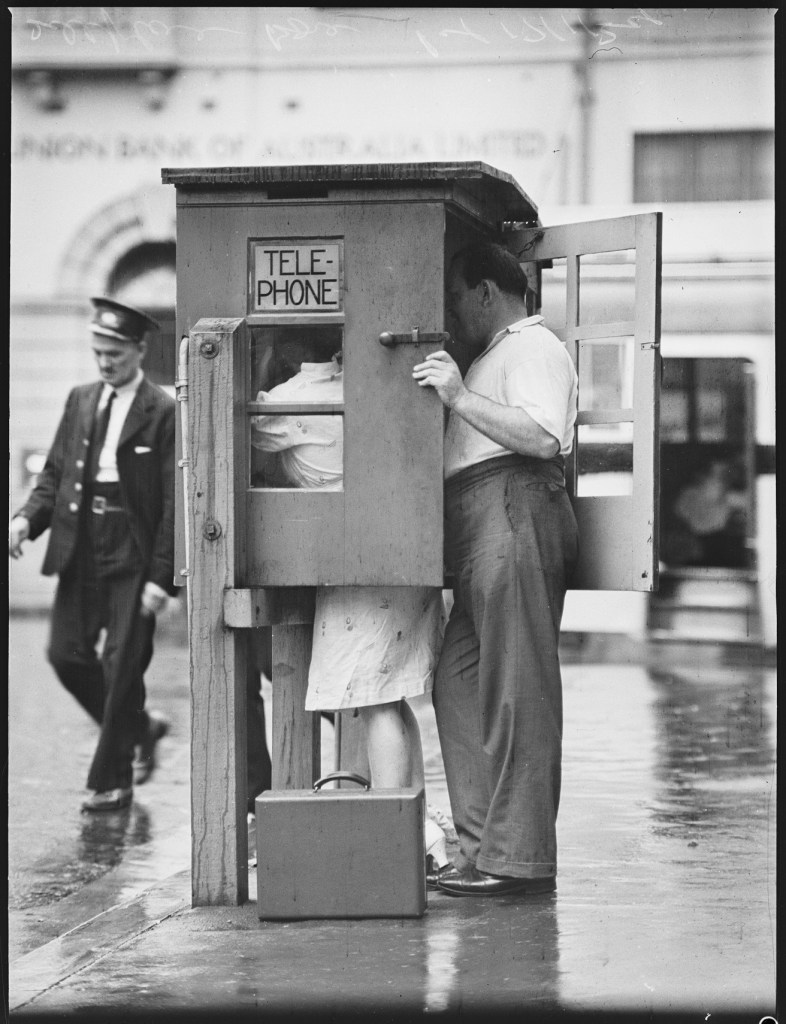
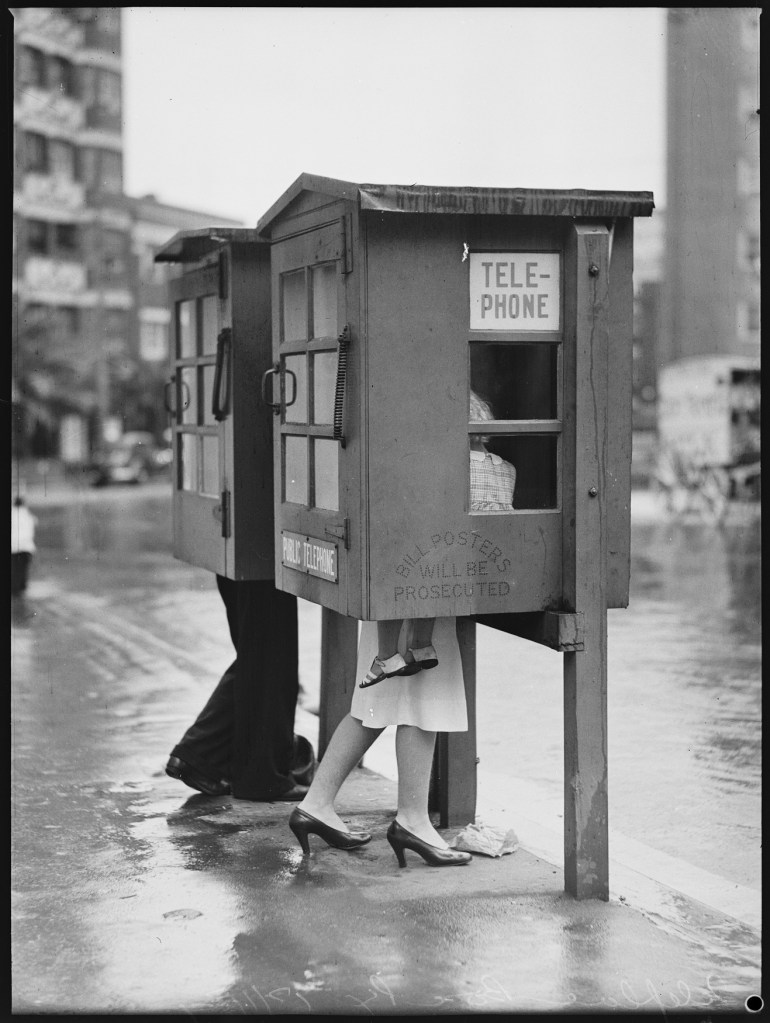
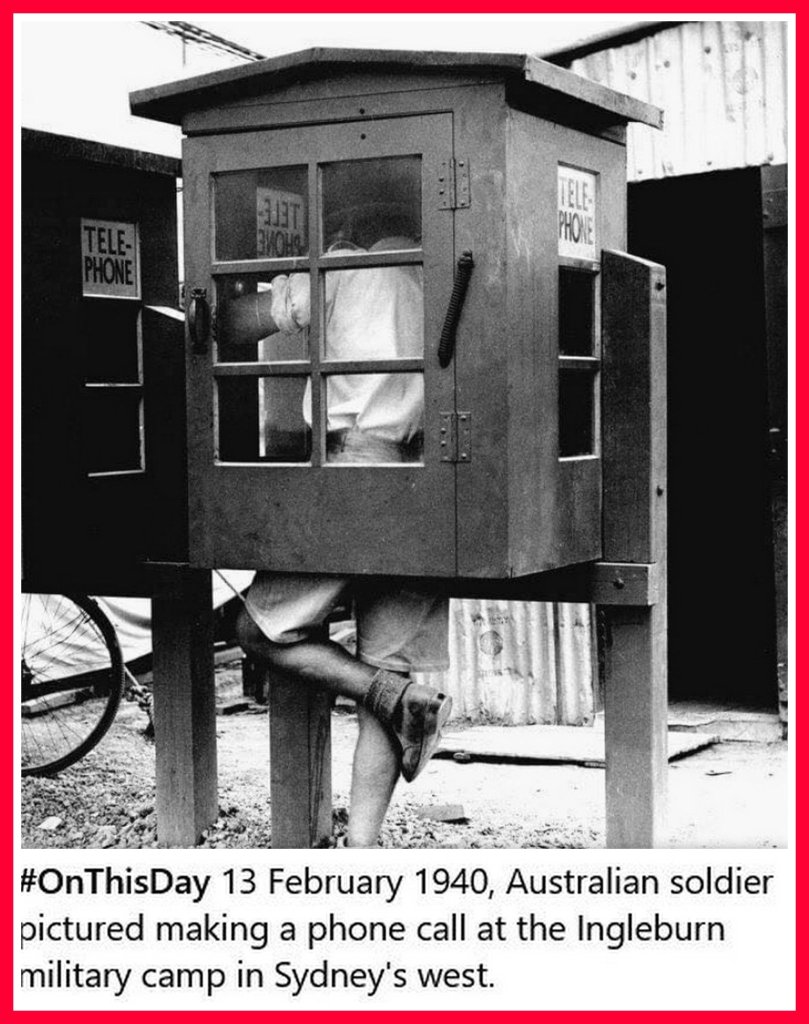
Head-box types of cabinets were first seen in the 1920s in safe or protected locations such as Railway Stations and Post Offices. Figs. 10 and 11 are examples of early head-box cabinets found in Sydney streets.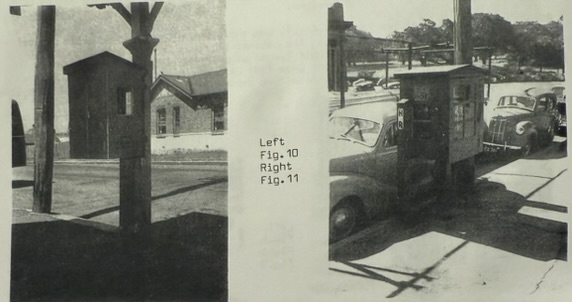 The problem with these was that they were unpopular with the public. The door tended to close in on you, and your legs got wet in rainy weather, space restrictions were also annoying. On the credit side they were good in locations where space was at a premium. They were cheap to construct and relatively easy to maintain. 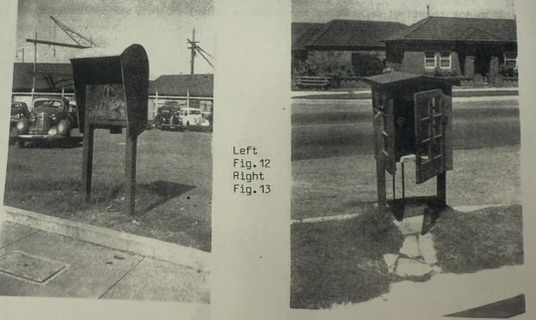 The Second World War saw a resurgence in their use due to their mobility, e.g. they were favoured for army camps, airports, dockyards etc., and economy of material in construction whilst still providing good ventilation, protection for the instrument and user. Two types adopted in the war years Figs. 12 and 13 below Fig.12 was known as ‘Red Riding Hood’ |
 Pay phone Story
Leave a comment