| Name | K1(236) Kiosk No. 1 (modification of the original model- Kiosk No. 1 (235) |
| Date | 1927-30 |
| Manufacturer | BPO. Designer: The Post Office Engineering Department. Materials: Reinforced concrete with wooden door. |
| Usage | Public call box. Served as inspiration model for the Australian Flag Type A.P.0. Standard Cabinet (1933). |
| Further notes |
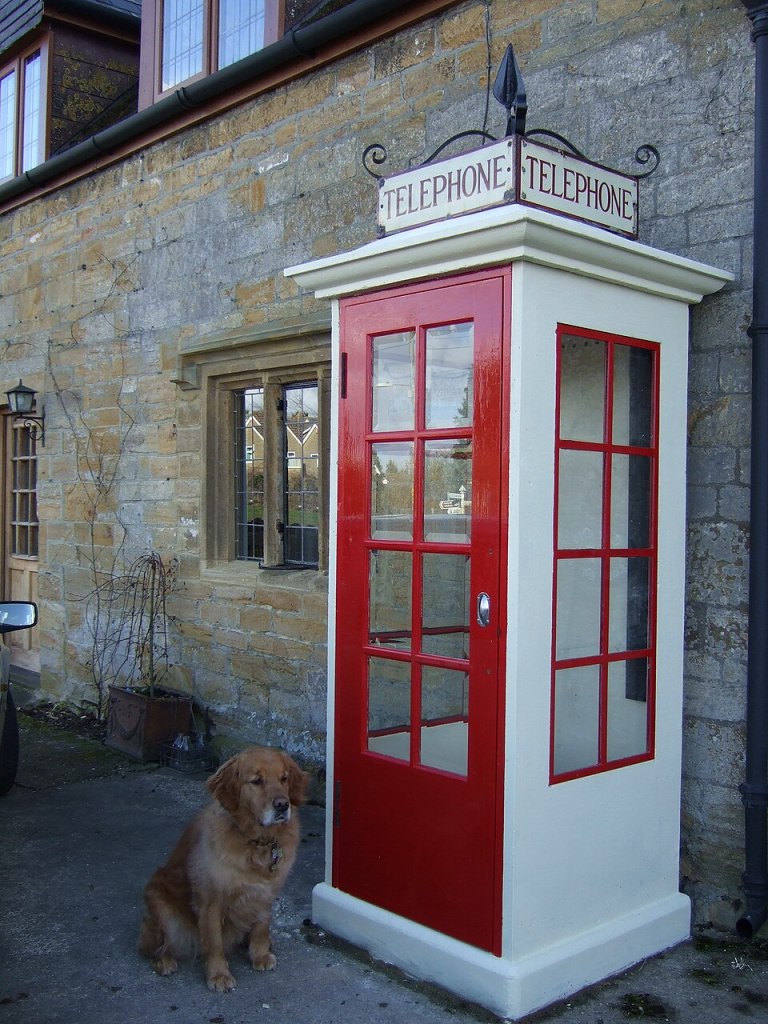
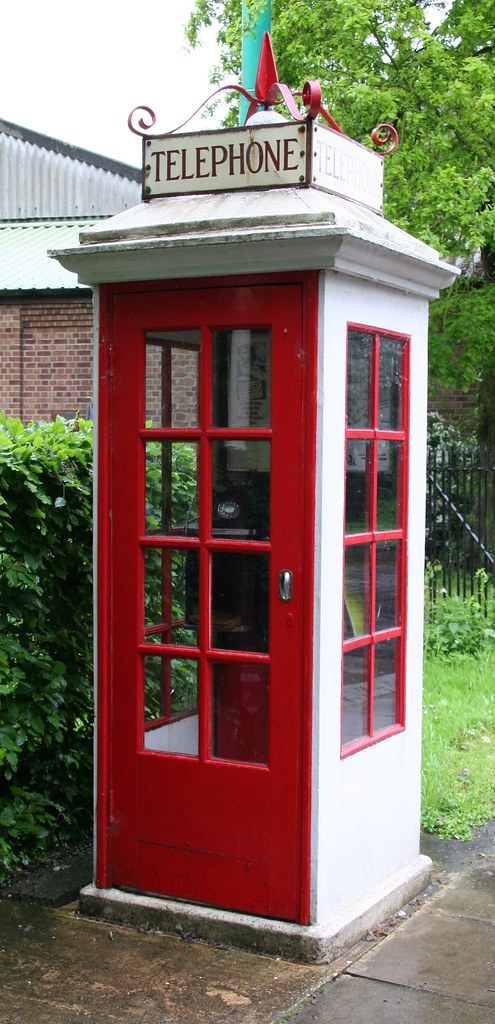
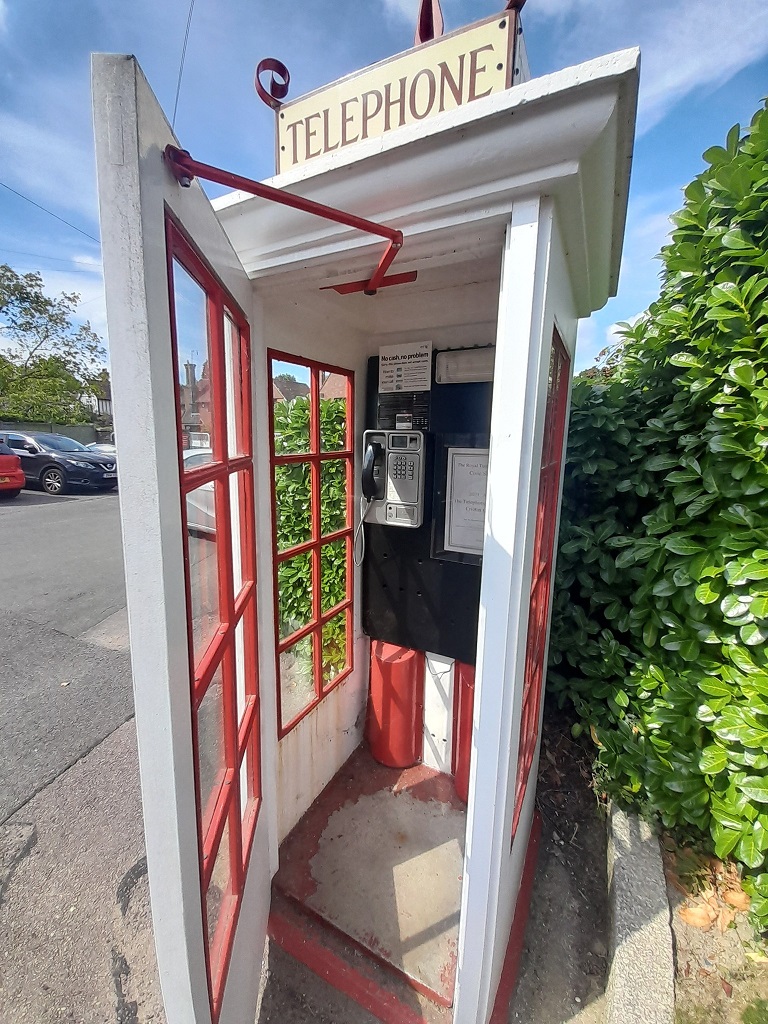
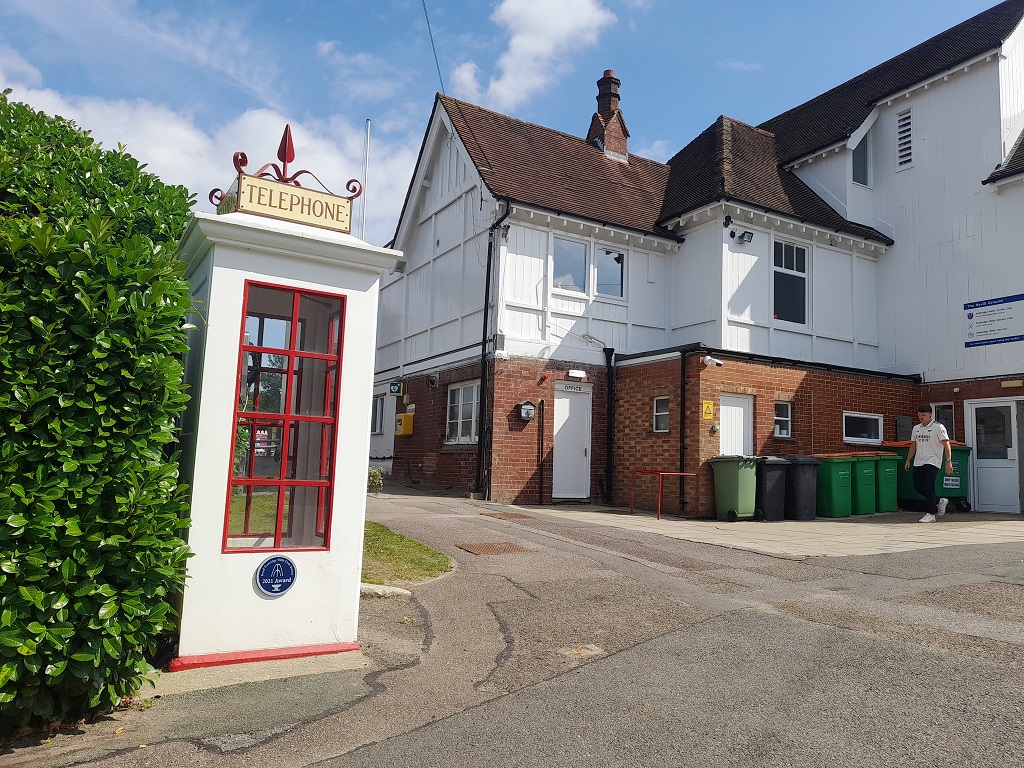
| Charles Gilbert Scott’s design for the new London telephone boxes, the K2s, was too expensive to be used everywhere. But it was so admired that in 1927 the original K1 was modified to incorporate some of his ideas. The windows were increase in size, to the same proportions as the K2, and the “Telephone” sign lettering was changed. After the introduction of the K3 in 1928, the K1 continued to be used as it was even cheaper to produce. Type: Kiosk No 1 Mk 236 Materials: Reinforced concrete with wooden door. Designer: The Post Office Engineering Department Produced: 1927-30 Number produced: 6000 Remaining in service: at least 7 |
| Kiosk No. 1 (236) [Introduced in 1921] The Kiosk No. 1 (236) is a later and slightly improved version of the original Kiosk No. 1 (235), both falling under the general designation of the K1 (Kiosk No. 1) series. These versions were part of an iterative effort by the General Post Office (GPO) during the early 1920s to develop a standard telephone kiosk design before the arrival of the more famous cast-iron kiosks like the K2. Here are the key differences between K1 No. 235 and K1 No. 236: 🔹 1. Design Refinements K1 (235) was the first production version, introduced in 1921, and served as the prototype for the national rollout. K1 (236) was an updated version, introduced soon after, with modest improvements in appearance and construction based on field experience with the 235. 🔹 2. Visual Appearance The 236 version included more refined mouldings and slightly different window arrangements, aiming to improve the kiosk’s appearance in urban settings. Roof and cornice detailing were sometimes slightly changed in the 236 to improve water shedding and visual proportions. 🔹 3. Signage and Doors The signage panel on the 236 was more consistently designed, with better integration of the “TELEPHONE” nameplate. The door construction was also slightly upgraded, using better timber framing and hinge placements for smoother operation. 🔹 4. Materials and Manufacturing Both were made of precast concrete panels, but the 236 had improved concrete detailing to address cracking and durability problems encountered in early 235 models. The GPO may have used feedback from local councils to refine the mix and panel shapes. 🔹 5. Deployment The K1 (236) was deployed in slightly larger numbers than the 235 and was considered a transitional model while preparing for a more aesthetically successful and robust design. The 236 variant remained in service slightly longer and was better received by some councils who had earlier rejected the 235 on aesthetic grounds. 🔹 6. Legacy Both models were eventually considered temporary or provisional designs, especially once the GPO moved toward the cast-iron K2, designed by Sir Giles Gilbert Scott. Surviving examples of both 235 and 236 are extremely rare, and most existing “K1s” today are reconstructions or restored examples based on the 236 model. In summary, K1 No. 236 is essentially a second-generation K1, designed to address aesthetic and practical issues encountered with K1 No. 235. Both are concrete kiosks and represent the experimental beginnings of Britain’s public telephone infrastructure before the iconic red cast-iron kiosks came into widespread use. |
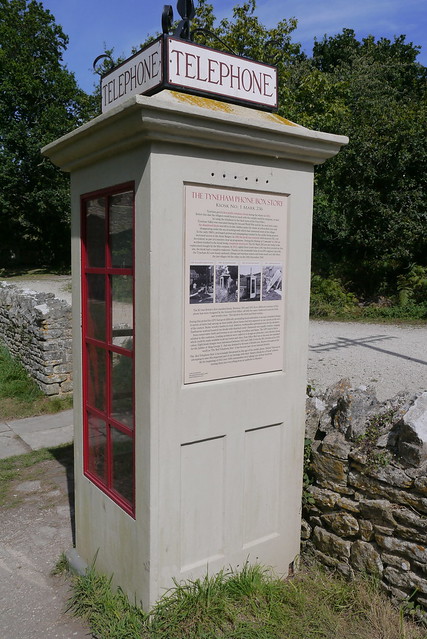
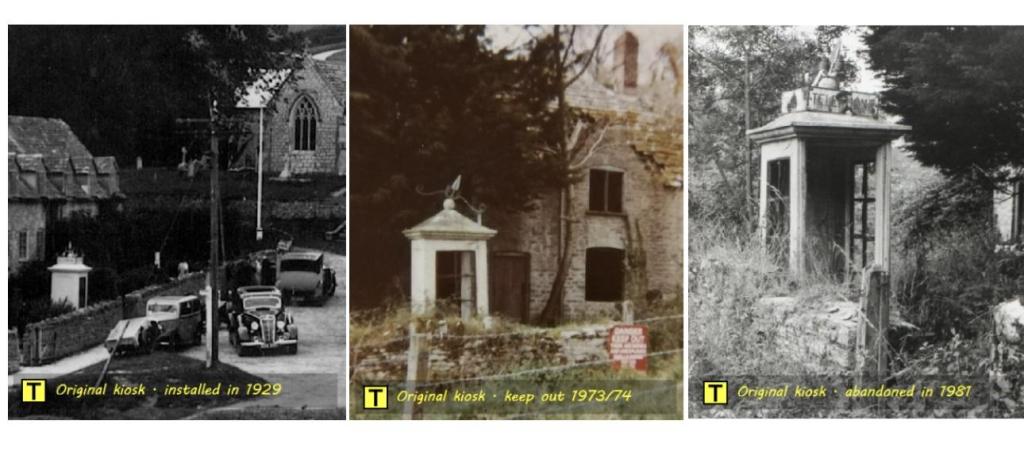
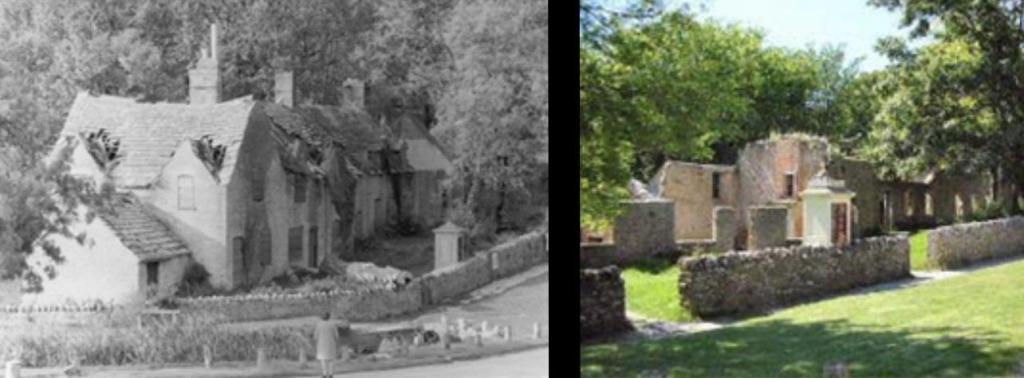
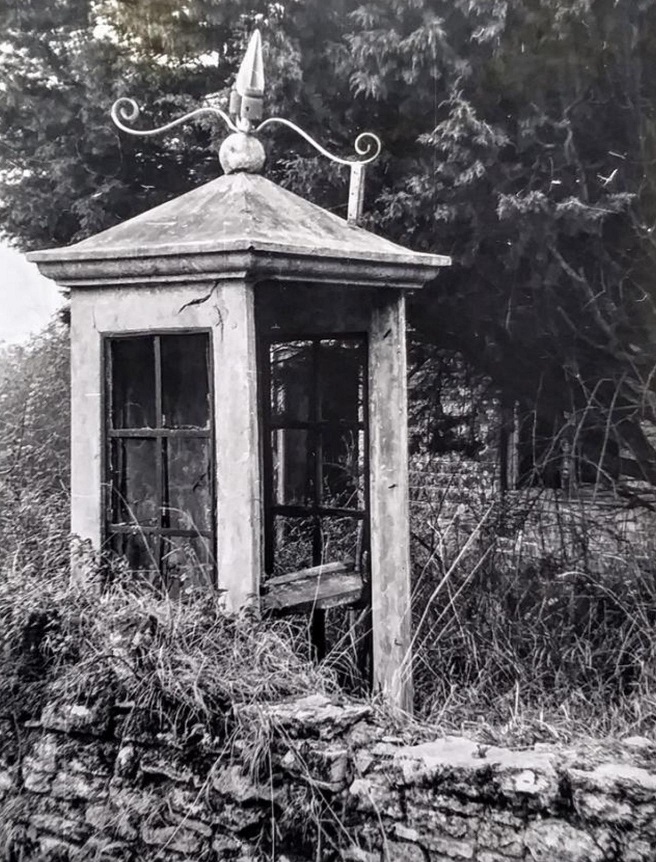
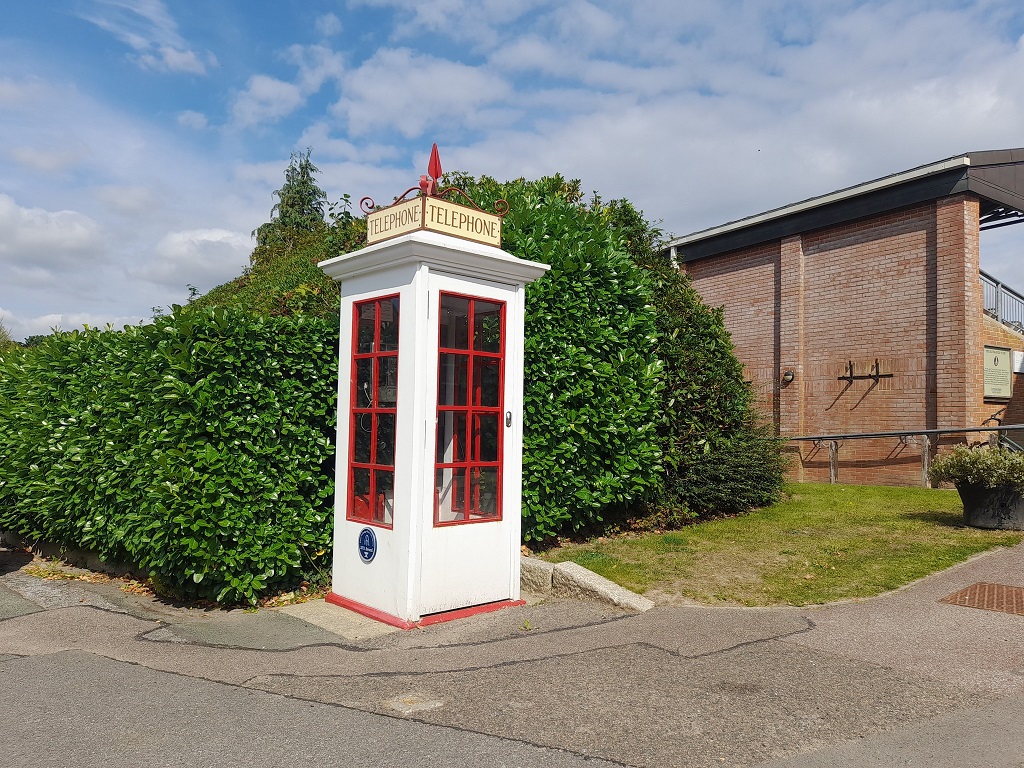
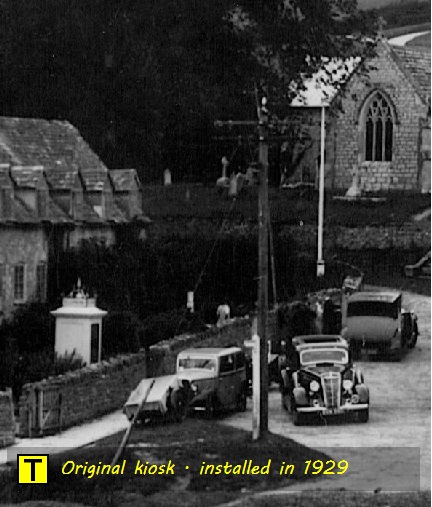
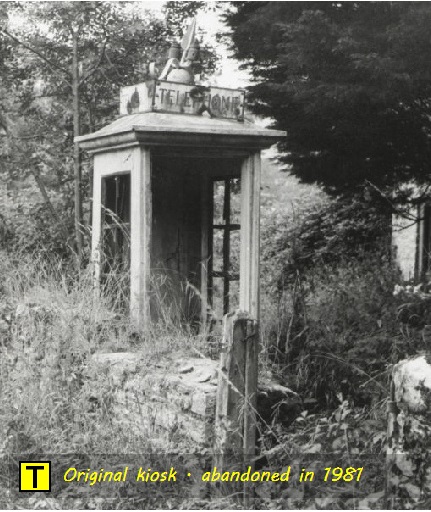
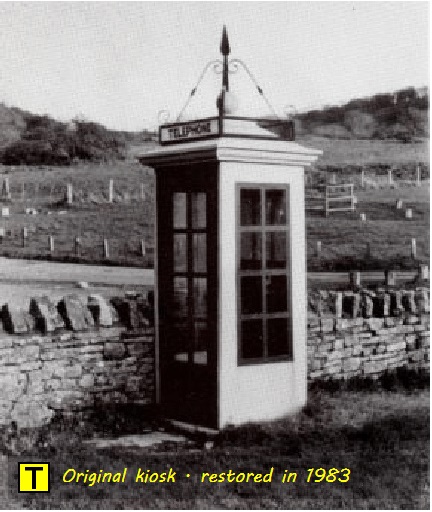
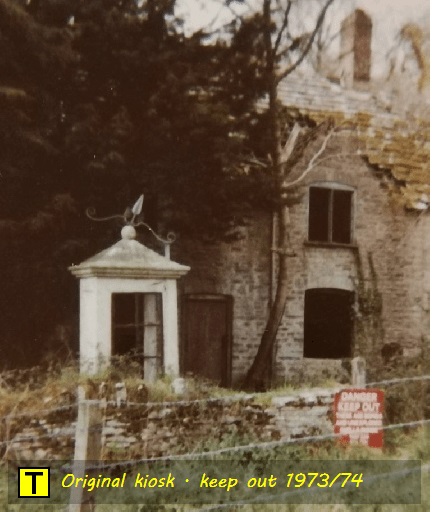
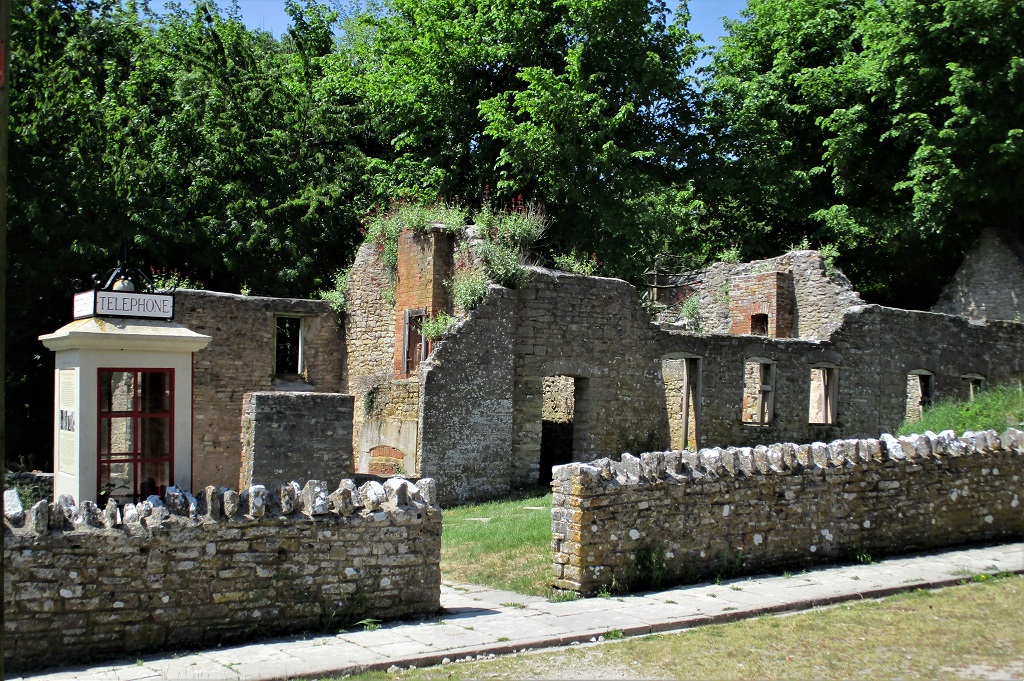
| The original K1 kiosk at Tyneham … Tyneham got its first public telephone kiosk during the winter of 1929. Before this date the villagers would keep in touch with the outside world by telegram or later by using the telephone in the back room of the Post Office. original 1929original kiosk 1973_74 via mark carteroriginal 1981original 1983original 1985 Click on the images above to view Tyneham’s telephone kiosk was a ‘K1’ made of reinforced concrete with wooden door. It was sited outside the Post Office in The Row. Its installation was at first resisted by William Bond but he eventually granted permission. Tyneham was evacuated 14 years later in 1943. For the next 40 years the abandoned kiosk was left to its fate. It became hidden under self-seeded trees and ever- creeping undergrowth. With the public being granted increased access to the Army Ranges, the kiosk was restored in 1983 but with the incorrect roof decoration. During the filming of ‘Comrades’ in 1985 an accident resulted in Tyneham’s telephone kiosk being completely destroyed. The replacement kiosk … The K1 Mark 236 at Tyneham today is the replacement bought by the film company responsible. It is one of five such kiosks still in existence. In 2012, the kiosk had a complete makeover. Thanks to the invaluable help of ex-GPO engineer Ian Jolly the it now boasts authentic fittings and wartime notices. It now looks much as it did when the last villager left Tyneham in December 1943. The photographs below show: the kiosk stripped of all its fittings being tested for a new hardwood door on 16 Aug 2012 with a fresh coat of paint and renovated roof decorations in Sep 12 the painted door and windows being installed on 12 Oct 2012 ex-GPO engineer Ian Jolly admiring the restored kiosk complete with interior fittings on 20 Oct 2012 With thanks to- https://tynehamopc.org.uk/telephone-kiosk/ |


 Pay phone Story
Leave a comment