| Name | K2 Kiosk No. 2 |
| Date | Introduced in 1927 |
| Manufacturer | BPO |
| Usage | Public call box |


| Further notes |
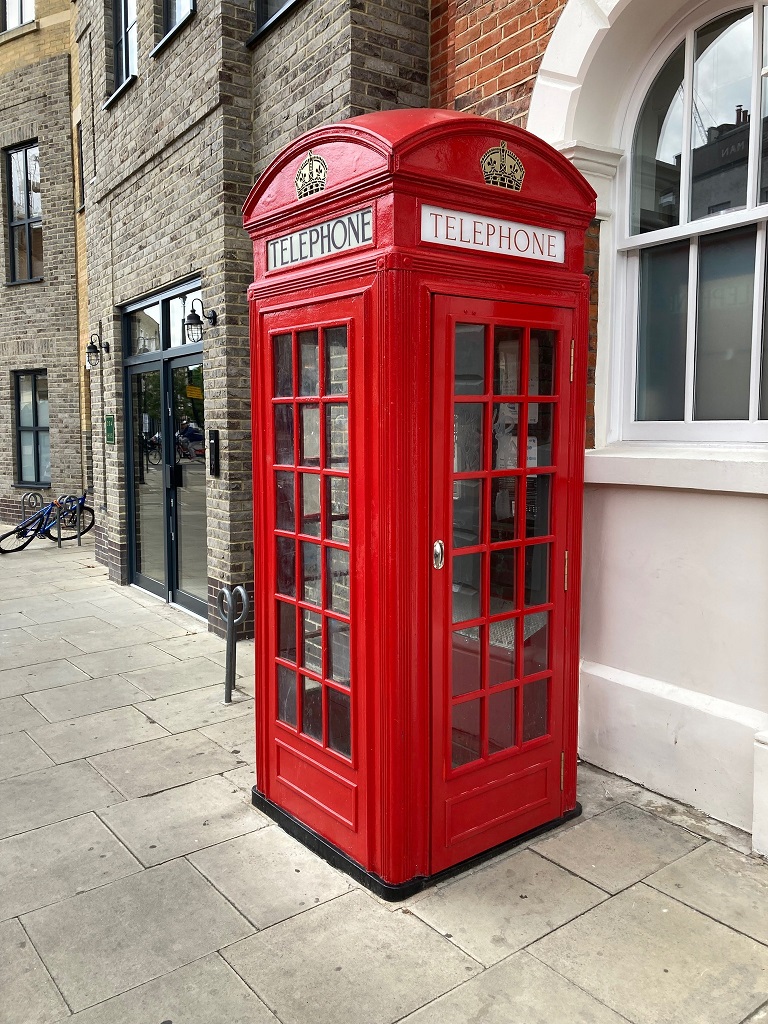
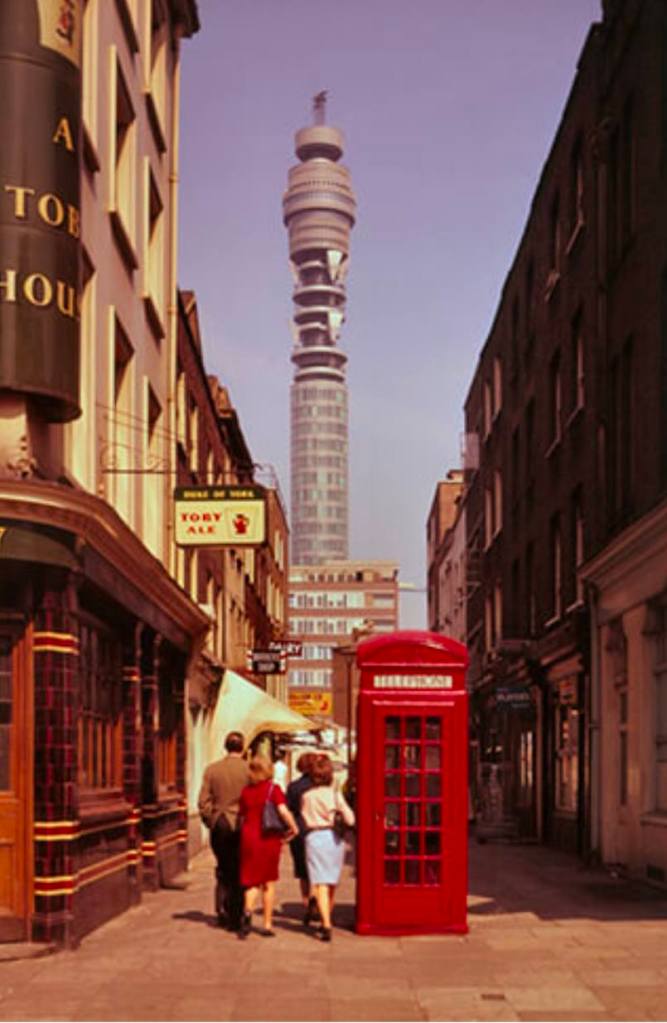
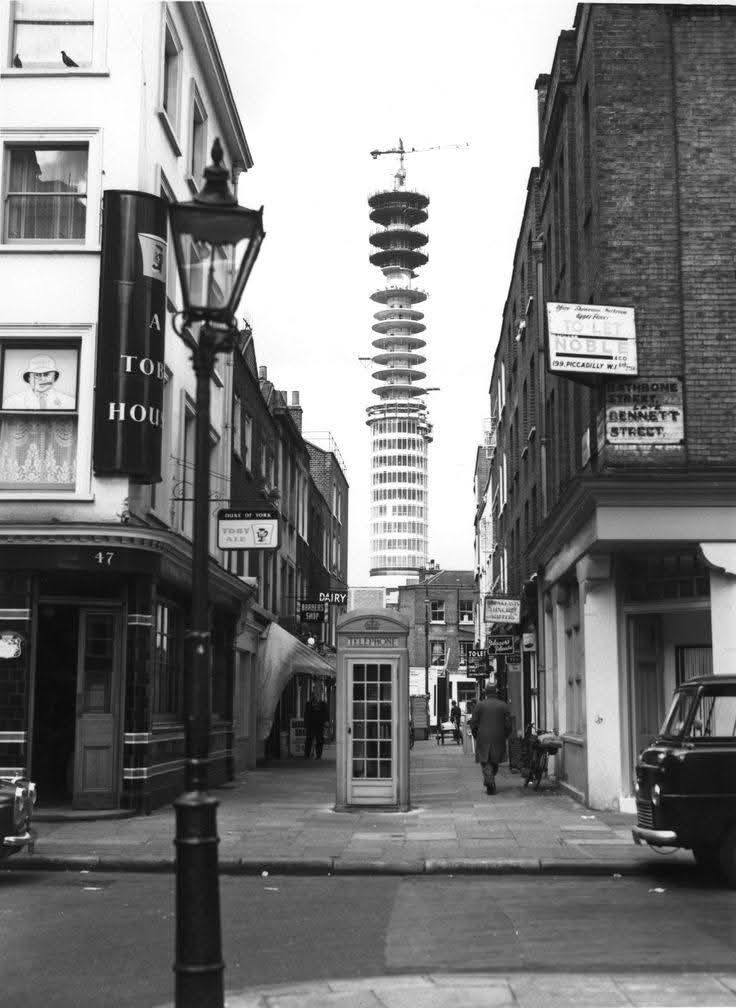
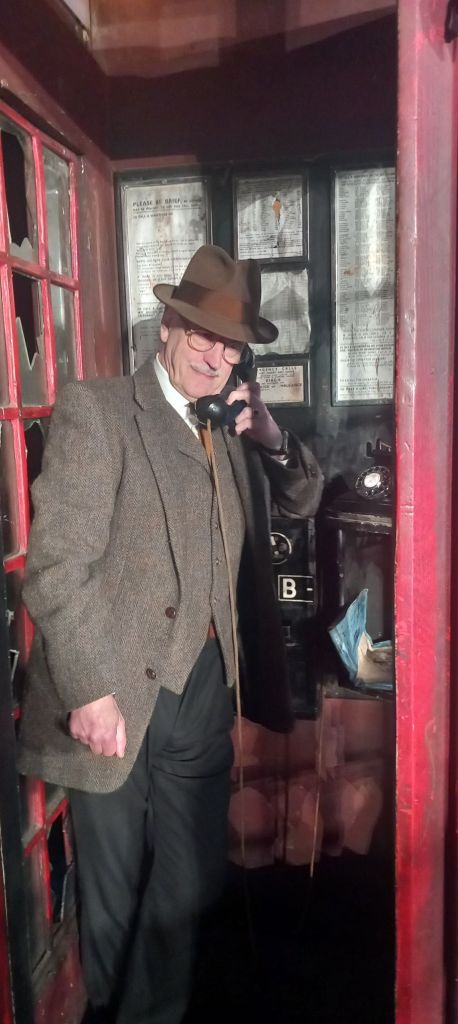
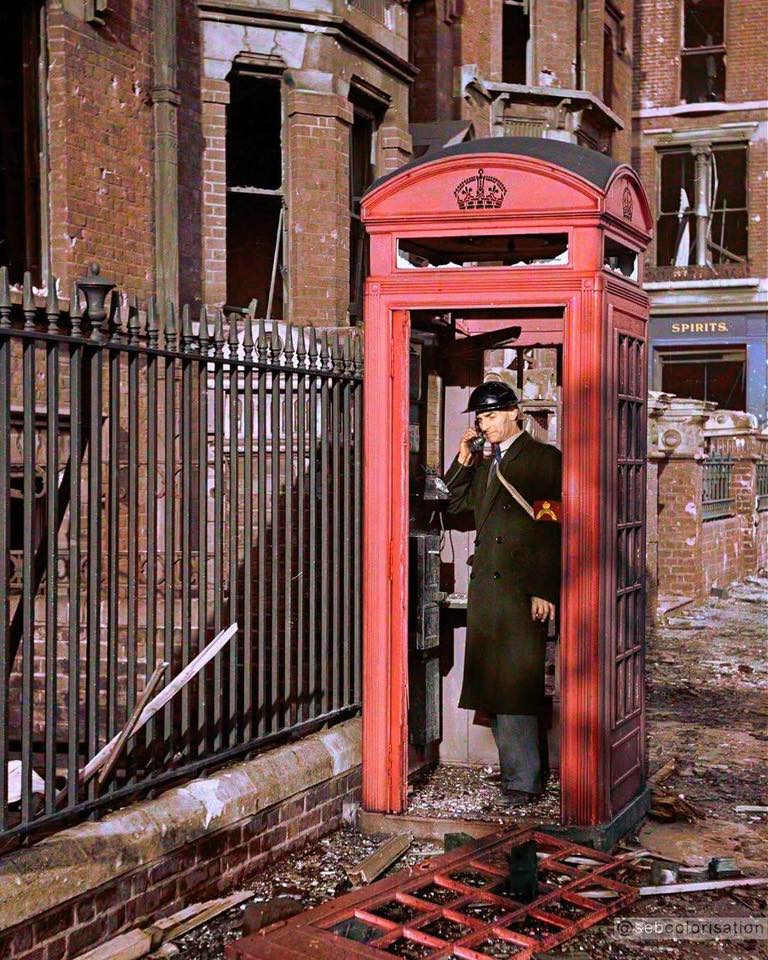
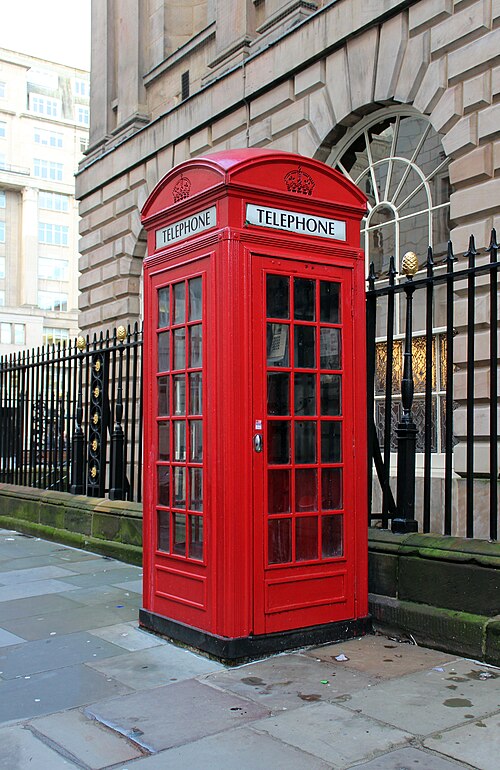
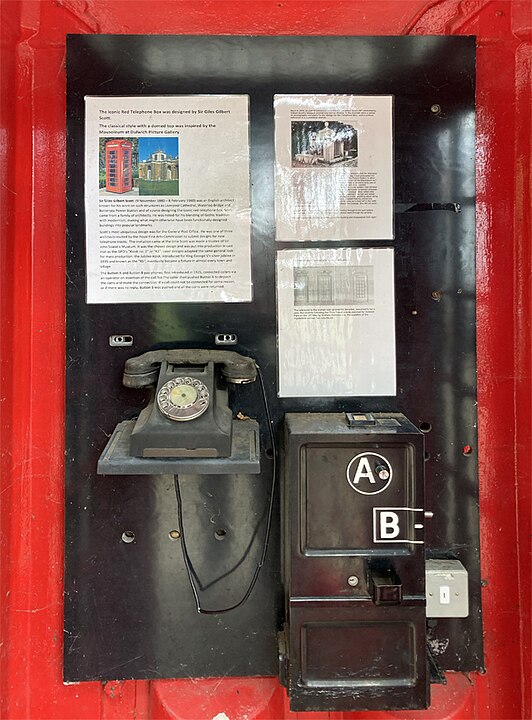
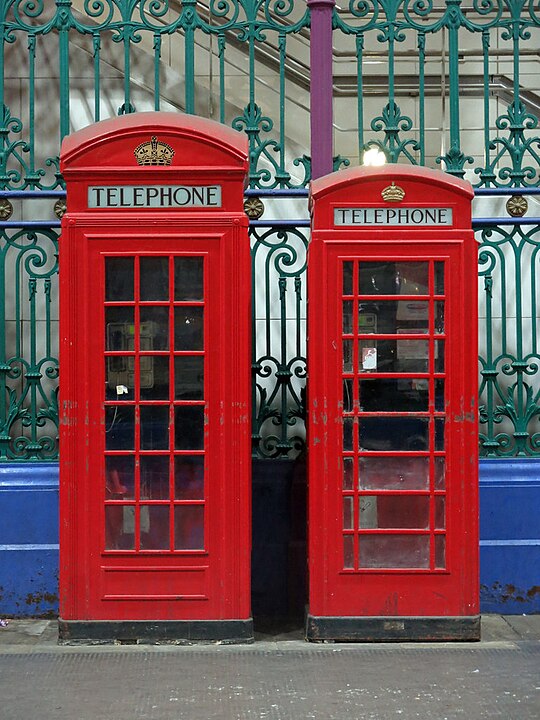
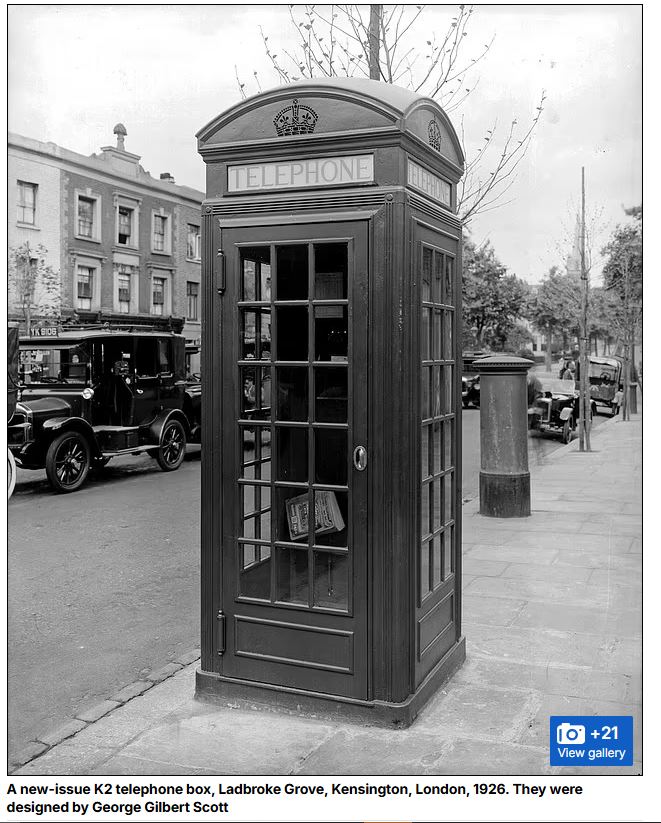
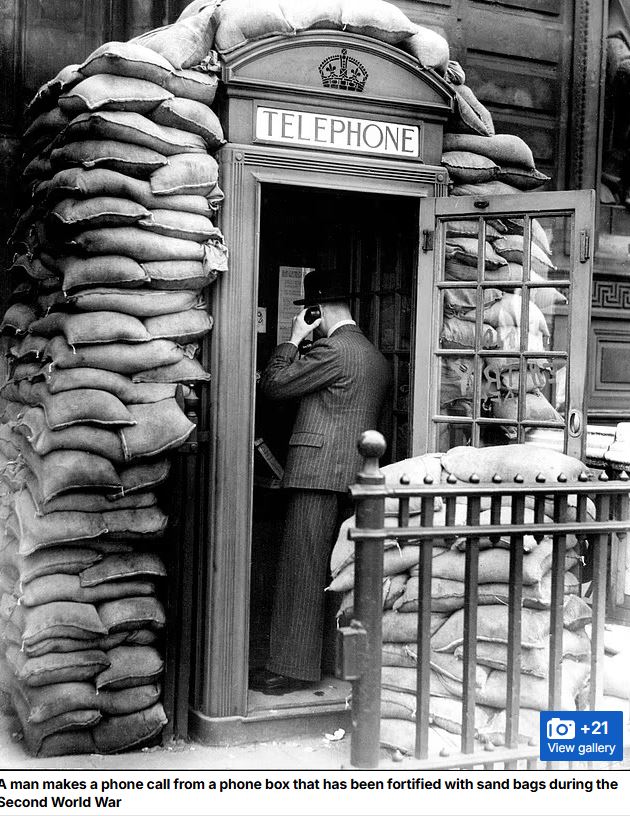
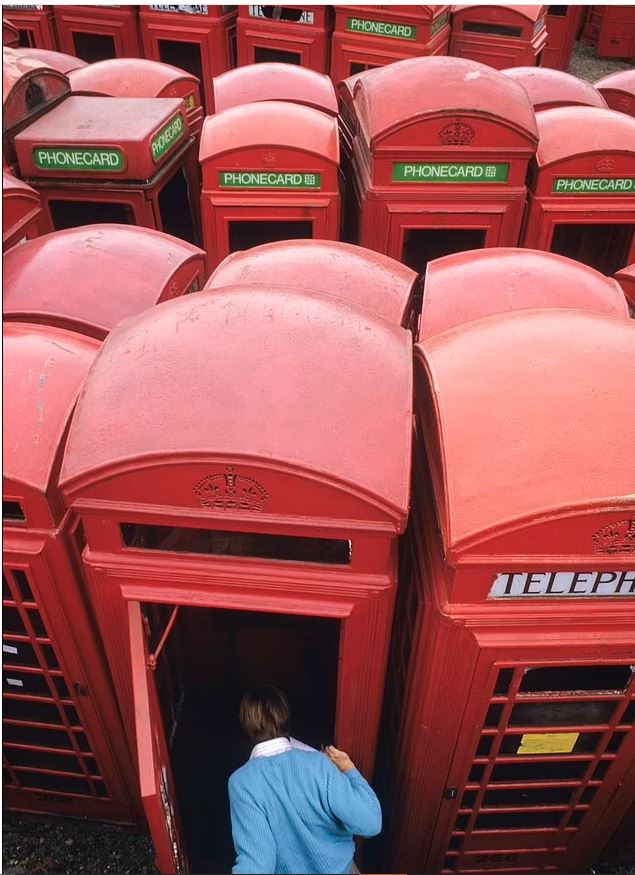
| Kiosk No. 2 [Introduced in 1927] The Kiosk No. 2 (K2) was introduced in 1927 and represents a major turning point in the history of British public telephone boxes. It was the first of the iconic red cast-iron kiosks and was the result of a design competition organised by the Royal Fine Art Commission. The winning design, by Sir Giles Gilbert Scott, combined classical architectural proportions with a practical, durable structure. The K2 was initially deployed in central London, particularly in prestigious boroughs, and gradually rolled out to other large British cities. It was never used extensively in rural areas due to its high cost and heavy weight. Some examples were later placed in British overseas territories, though far fewer than its successor, the K6. Only about 200 original K2 kiosks are known to survive, most of them still in London. Many are now Grade II listed for their historic and architectural significance. Notable clusters remain in places like Covent Garden, Kensington, and outside historic buildings across the capital. They were manufactured in Britain, primarily by the Carron Company in Scotland, a major foundry known for its high-quality cast-iron work. The K2 was made entirely of cast iron, with timber doors and glass panes featuring the distinctive six-pane window design. It was painted Post Office Red, which became the standard colour for British telephone boxes. It featured a domed roof with embossed detail, and a rectangular white enameled nameplate reading “TELEPHONE” under a Tudor Crown, later updated to other crown types in specific regions. Internal lighting was electric and typically mounted at the ceiling. The design was generous in size, with plenty of space for users to stand and place bags, and its solid structure provided excellent sound insulation. Ventilation was provided through small slits under the dome, but it was limited, which led to heat build-up and moisture condensation. Maintenance was labour-intensive due to the weight of the panels and the need for frequent repainting to prevent rust. Despite this, its durability and elegance made it the most prestigious telephone kiosk in the UK. Today, surviving K2s are often used as defibrillator stations, mini libraries, or restored as functional payphones in heritage zones. They originally housed Button A and Button B payphones, later upgraded to rotary and push-button types as technology evolved. Their placement was controlled by the General Post Office (GPO) in consultation with local councils, prioritising central, high-traffic urban locations. Politically, the K2 reflected the British government’s desire to modernise infrastructure while respecting civic aesthetics. It marked the start of the GPO’s formalised kiosk design programme. Culturally, the K2 helped to define the classic British street scene. Though the TARDIS in Doctor Who is based on the later police box, the red telephone box, especially the K2 and K6, became a symbol of British identity and has appeared in films, books, and on postcards and souvenirs worldwide. |
 Pay phone Story
Leave a comment