| Name | K6 Kiosk No. 6 |
| Date | 1936-1953 (original K6 with Tudor Crown) |
| Manufacturer | BPO |
| Usage | Public call box |

| Further notes |
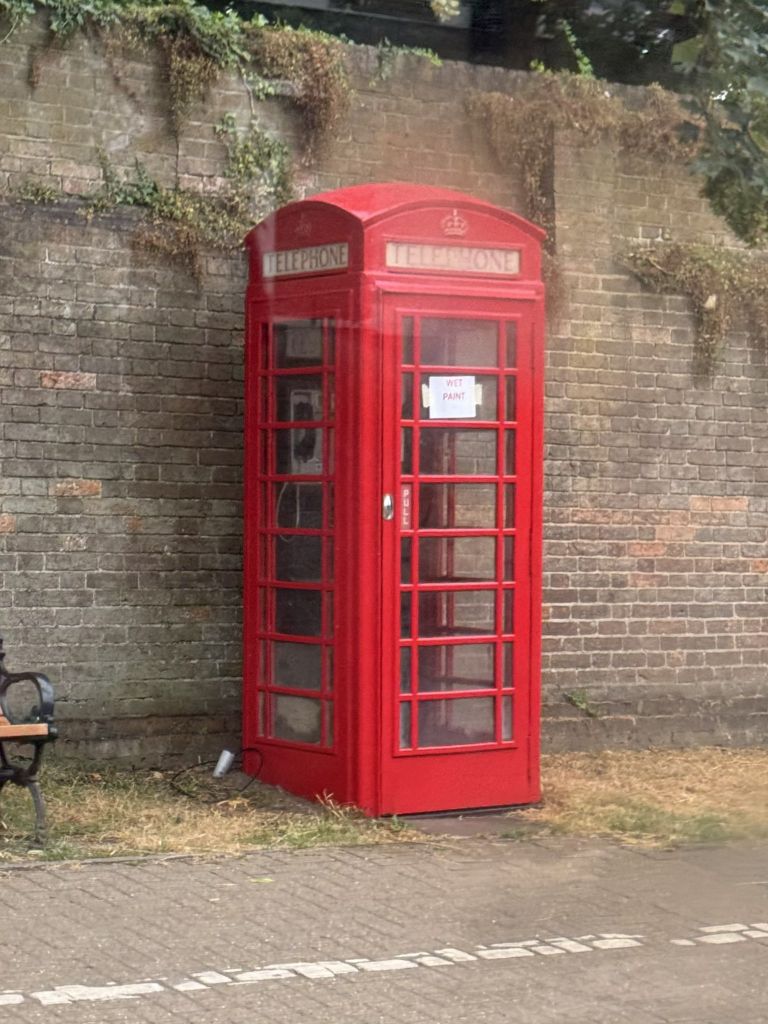
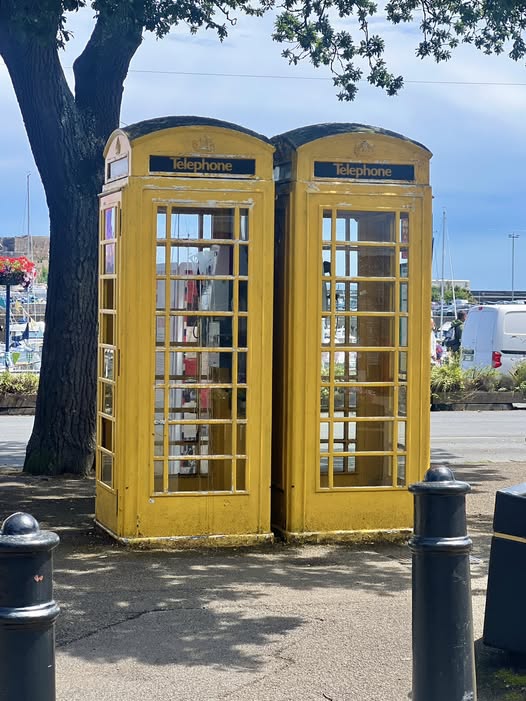
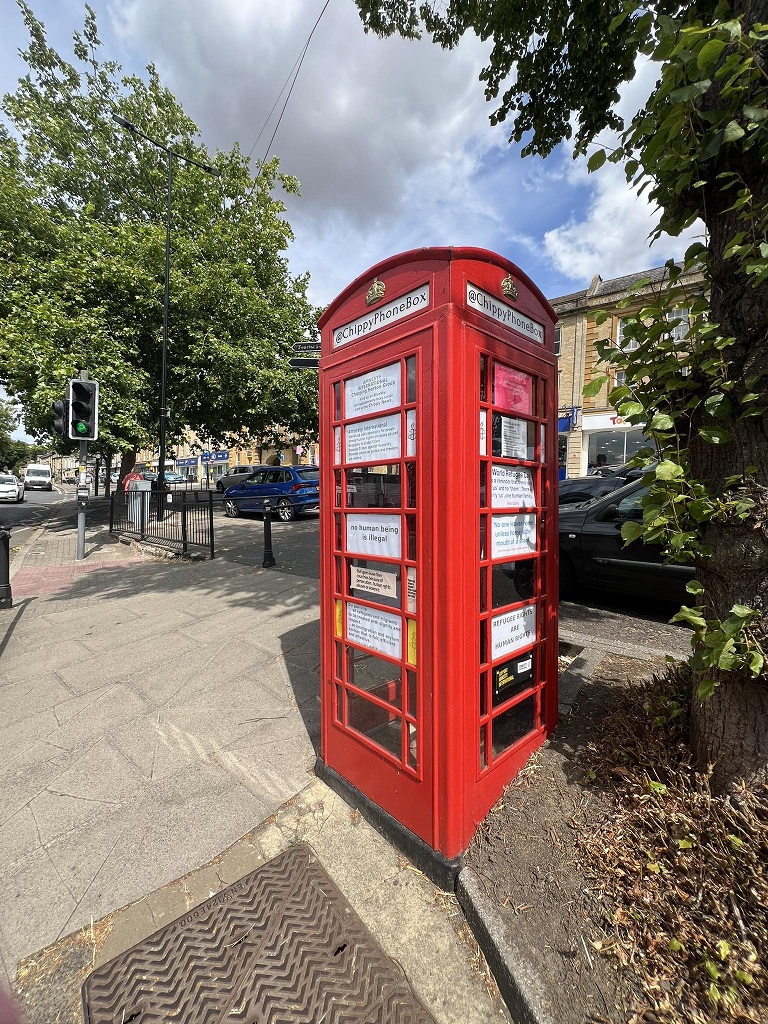
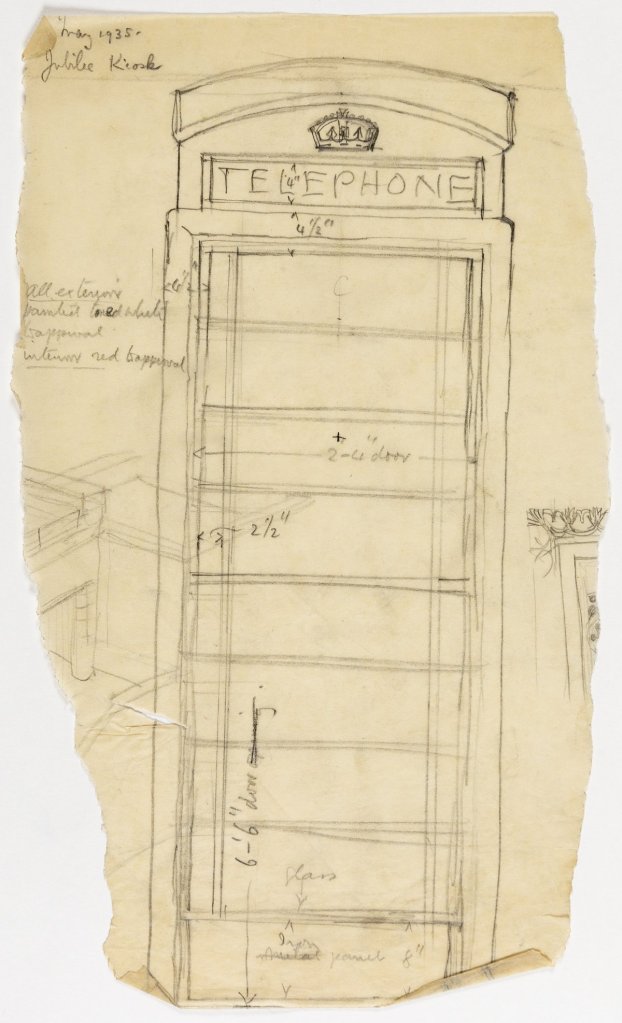
| Kiosk No. 6 [Introduced in 1936] Kiosk No. 6 (K6), introduced in 1936, is the most iconic and widely recognised British telephone box ever produced. It was designed to commemorate the Silver Jubilee of King George V, and its introduction marked a national effort to make public telephony more accessible across the entire UK. Designed by Sir Giles Gilbert Scott, who had also designed the earlier K2, the K6 retained many of the K2’s classical proportions but was smaller, lighter, and more affordable, making it suitable for mass deployment in both urban and rural areas. The K6 was installed in virtually every town and village in the United Kingdom, from the streets of London to the Highlands of Scotland and rural Welsh hamlets. It was also exported in large numbers to British overseas territories including Malta, Gibraltar, Bermuda, and parts of the Caribbean. Some examples even found their way to Australia, New Zealand, Canada, and later into museums and heritage precincts in the United States. Over 60,000 K6 kiosks were produced, and it is estimated that around 8,000 to 10,000 still survive today, with many granted Grade II listed status in the UK, particularly in conservation areas and heritage precincts. The kiosks were manufactured at various British foundries, primarily by the Carron Company in Falkirk, Scotland. Made from cast iron, the K6 consisted of bolted panels and a glazed timber door. The standard colour was the famous Post Office Red, but in certain rural areas or conservation zones, variations were allowed, including black, grey, green, or even blue in Scotland. Signage included four illuminated panels reading “TELEPHONE” beneath the roof dome, flanked by a crown—either the Tudor Crown, St Edward’s Crown, or the Scottish Crown, depending on location and date of installation. In terms of ergonomics, the K6 was smaller than the K2, with tighter internal dimensions but still allowed comfortable use by a standing adult. It included interior electric lighting and a glazed door with 8×3 glass panes. Ventilation was provided by narrow slits under the roof dome, which were moderately effective but did not always prevent condensation. The K6 was sturdy and weather-resistant, but over time, maintenance could be challenging due to corrosion, especially at ground level or in coastal areas. K6 kiosks originally housed Button A/B coin-operated payphones, later replaced by rotary dial sets, then push-button models, and eventually phonecard units in the 1980s. As public phone use declined, many K6s were removed, but thousands have since been repurposed as defibrillator stations, mini-libraries, art displays, and community notice boards. Others have been sold to private collectors, restored, and even converted into coffee kiosks or miniature museums. Culturally, the K6 is a symbol of British identity, featured in films, television, and literature. Though not the TARDIS itself, which is based on a police box, the red telephone box is instantly recognisable worldwide. It remains a popular subject for souvenirs, postcards, and artwork, and there was significant public resistance to its removal during BT’s rationalisation programme in the 1980s and ’90s, leading to heritage protection campaigns. Documentation on the K6 is extensive, including records in GPO and BT archives, local council inventories, and preservation listings by Historic England. A number of heritage bodies, such as the Twentieth Century Society, have championed their preservation. Internationally, K6s are still found in former British colonies and have been reproduced in museums, theme parks, and shopping precincts around the world. Replicas are especially popular in the U.S., New Zealand, and Japan, where they are used in themed settings. Restoration of K6s involves stripping and repainting cast iron panels, replacing broken glazing, refitting signage, and installing reproduction parts such as enameled nameplates and authentic crowns. Grants from heritage organisations or local councils often help fund community restorations. Thanks to its historical importance and enduring popularity, the K6 remains the most beloved and recognisable British telephone kiosk, a lasting reminder of 20th-century civic design. |
 Pay phone Story
Leave a comment