| Name | K8 Kiosk No. 8 |
| Date | Manufactured 1968-1983 |
| Manufacturer | BPO |
| Usage | Public call box |
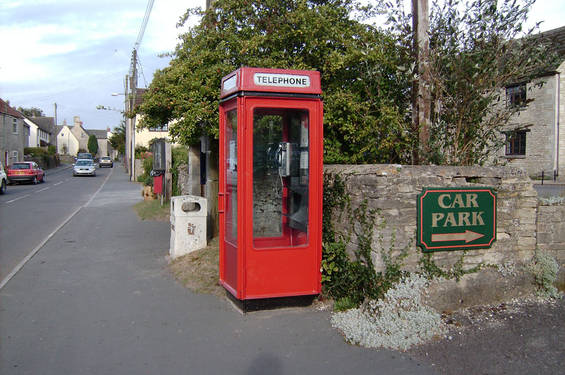
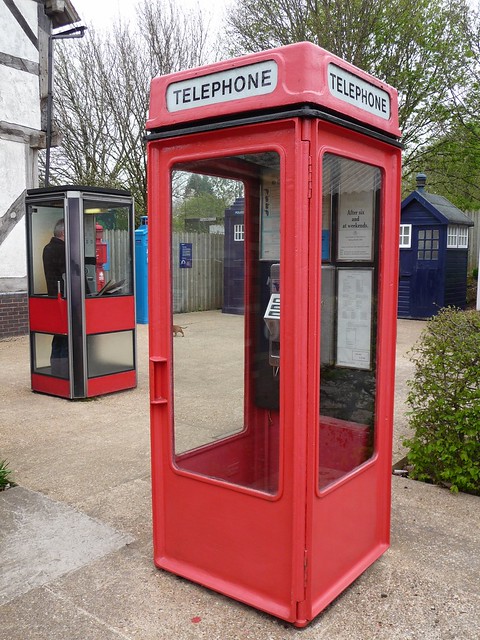
| Further notes |
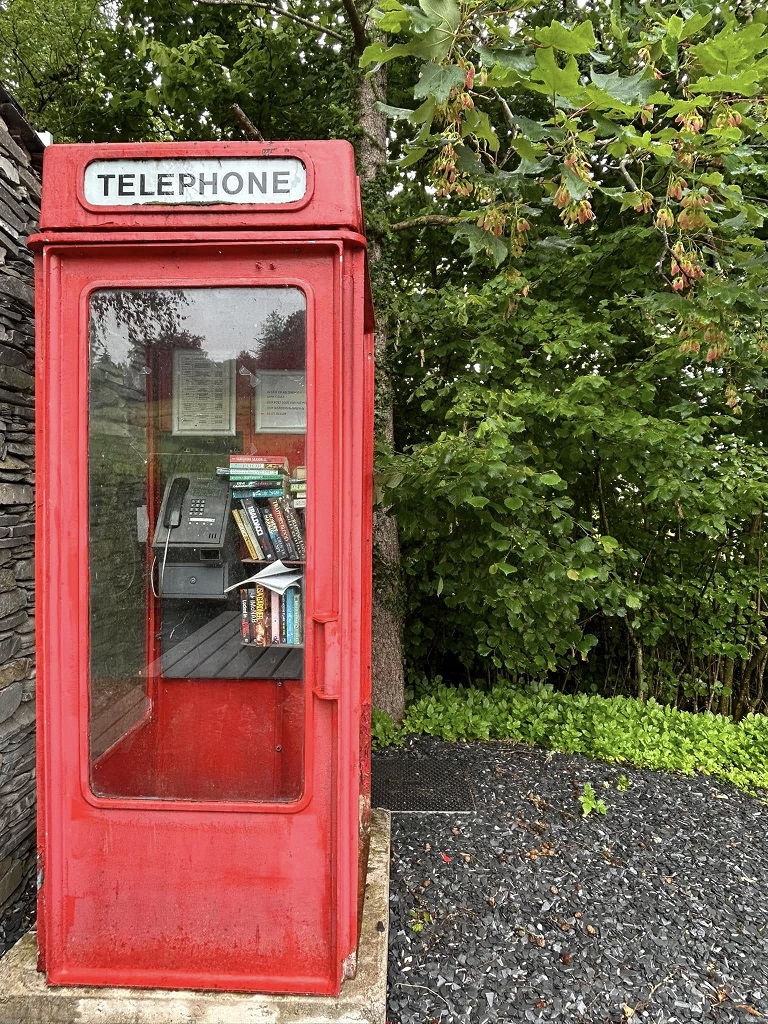
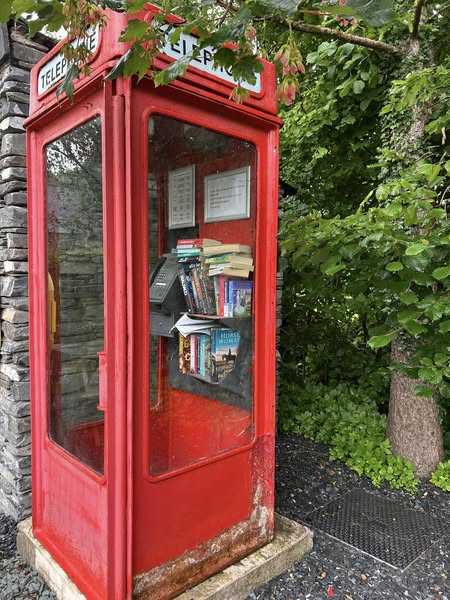
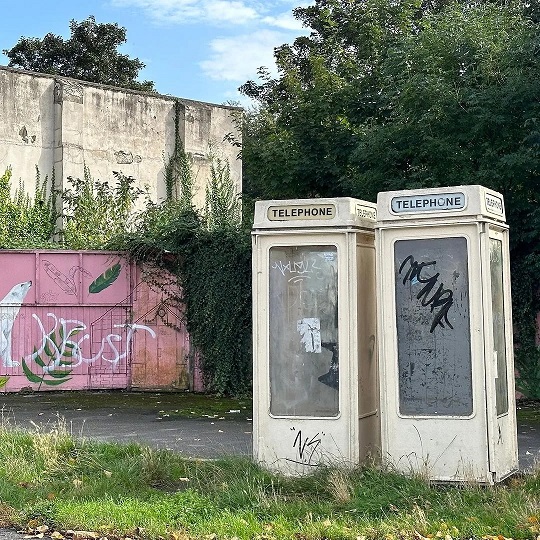
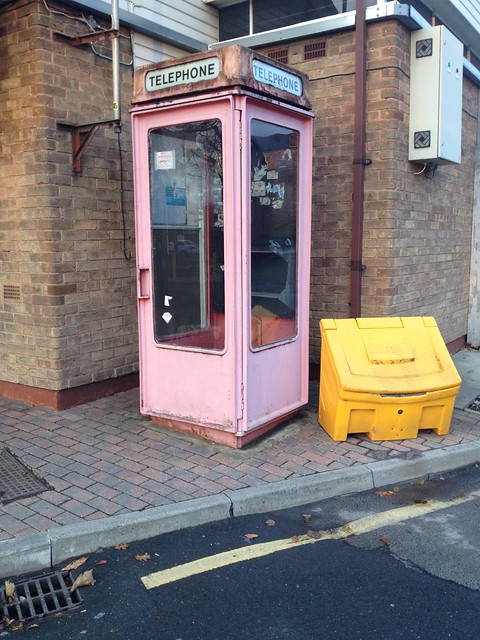
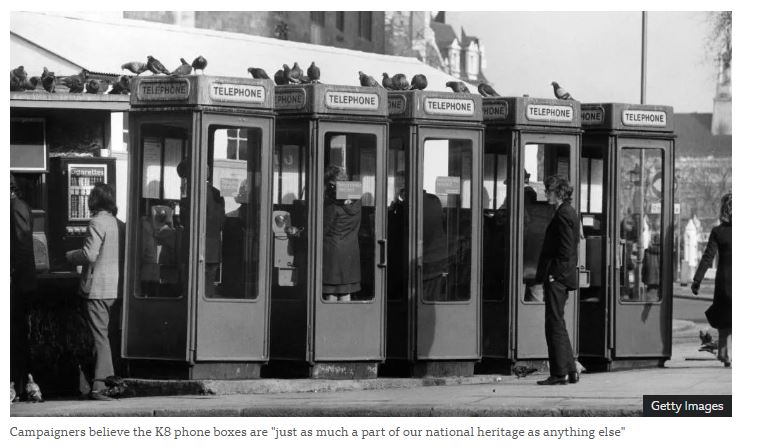
| Kiosk No. 8 Kiosk No. 8, introduced in 1968, represented one of the later stages in the evolution of British public telephone boxes before the widespread adoption of more modern and minimalistic designs. The K8 was designed by Bruce Martin, an architect commissioned by the General Post Office (GPO), as an attempt to create a contemporary telephone kiosk that combined modernist design principles with practicality and durability, while moving away from the traditional ornate cast-iron models like the K6. The K8 was deployed mainly in urban and suburban areas across the United Kingdom, with a focus on integrating the telephone kiosk into modern streetscapes. Unlike earlier models, it was not widely exported. The kiosk was intended as a replacement for older kiosks, especially in locations where the iconic red boxes were deemed either too large or out of place. Today, only a small number of K8 kiosks survive, many having been removed during late 20th-century modernization and rationalization programs. Surviving examples are mostly preserved in heritage areas, museums, or private collections, with a handful still occasionally visible on UK streets. Manufactured at various industrial facilities under GPO contracts, the K8 was constructed using steel framing, large single-pane safety glass panels, and aluminium elements. This use of modern materials reflected a shift towards prefabrication and industrial production techniques. The kiosk’s exterior was painted in a dull red colour, similar but less vibrant than the traditional K6 red, designed to be less obtrusive while retaining some continuity with earlier telephone box branding. The kiosk featured large glass panes on all sides for visibility and openness, with a flat roof and minimalist aesthetic. Dimensions of the K8 were slightly larger internally compared to some predecessors, offering improved ergonomics for users, including wheelchair access considerations that were innovative for the time. Ventilation was better designed with larger gaps and vents integrated into the frame, improving airflow and reducing condensation. Acoustics remained challenging due to the glass and metal construction, often creating echo inside the box. Maintenance was easier than with cast iron kiosks, as glass panels could be replaced individually, and steel framing required less frequent painting. The K8 originally housed push-button coin-operated telephones, which were later updated to accept phonecards and digital payment methods as technology advanced. Placement of K8 kiosks was managed by the GPO and later British Telecom, focusing on busy pedestrian zones, shopping precincts, and transport nodes, balancing accessibility and urban aesthetics. Politically, the K8 emerged during a period of modernization, reflecting government and GPO policies aiming to update public infrastructure to meet new urban planning standards and user expectations. The design was a compromise between tradition and progress, though it never fully replaced the cultural status of the K6. Culturally, the K8 did not achieve the iconic status of the classic red telephone box and had limited media presence, though it is appreciated by enthusiasts of modernist British design. It was rarely featured in films or literature, and public interest during removal campaigns was relatively low compared to earlier models. Many surviving K8 kiosks have been repurposed as defibrillator points, mini-libraries, and art installations, or preserved by private collectors. Restoration involves repainting, replacing glass panels, and replicating enamel signage. Documentation exists in GPO and BT archives, along with local government records and some entries in heritage registers. Internationally, the K8 had minimal export, with few known examples outside the UK. Restoration efforts often receive support from heritage trusts and local grants. Authenticity is maintained through reproduction signage and sourcing original or replica parts. The K8 represents an important evolutionary link in British telephone kiosk history. The British Telephone Kiosk No. 8 (K8) was manufactured from 1968 until around 1983. Key facts: Introduced: 1968 Designer: Bruce Martin Purpose: To replace earlier models like the K6 with a more modern, cost-effective, and vandal-resistant design. End of manufacture: Around 1983, when British Telecom began shifting toward more utilitarian stainless steel and glass designs that better suited modern street environments. Approximately 11,000 K8 kiosks were installed during its run. Most were later removed or replaced during the 1980s and 1990s, and only a few survive today — some listed for their design significance. |
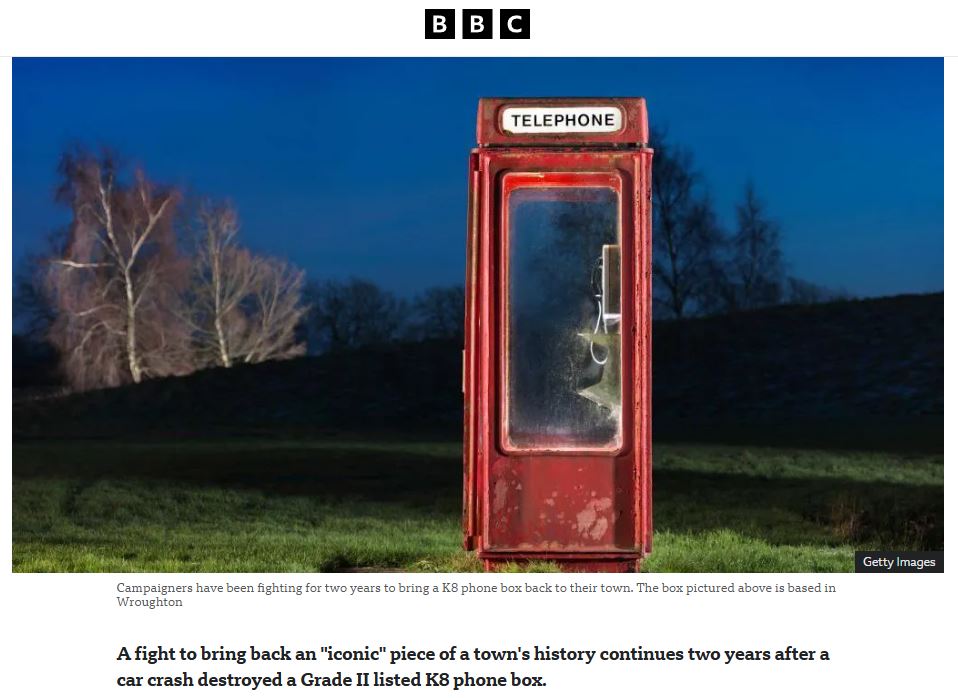
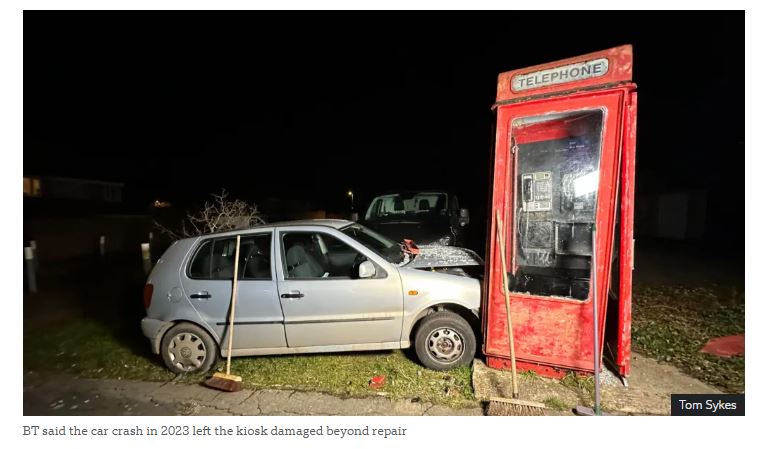
 Pay phone Story
Leave a comment