| Name | KX100 Kiosk No. KX100 |
| Date | 1985 to present |
| Manufacturer | GKN Telecommunications |
| Usage | Public call box |
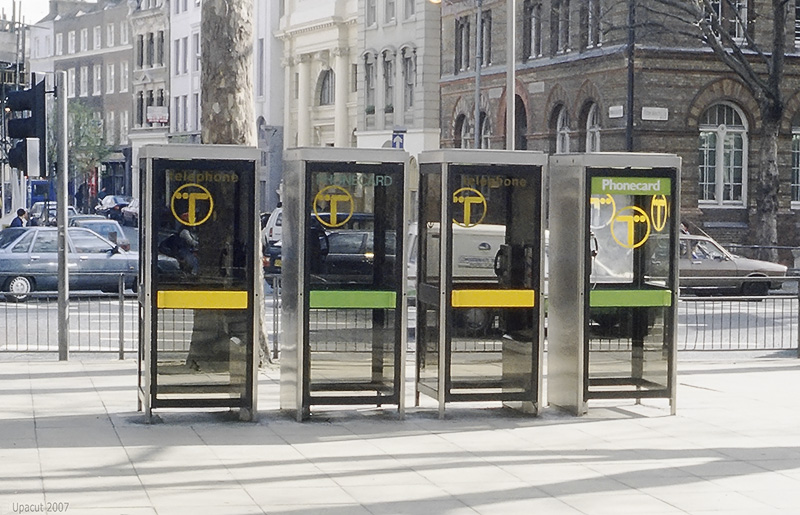
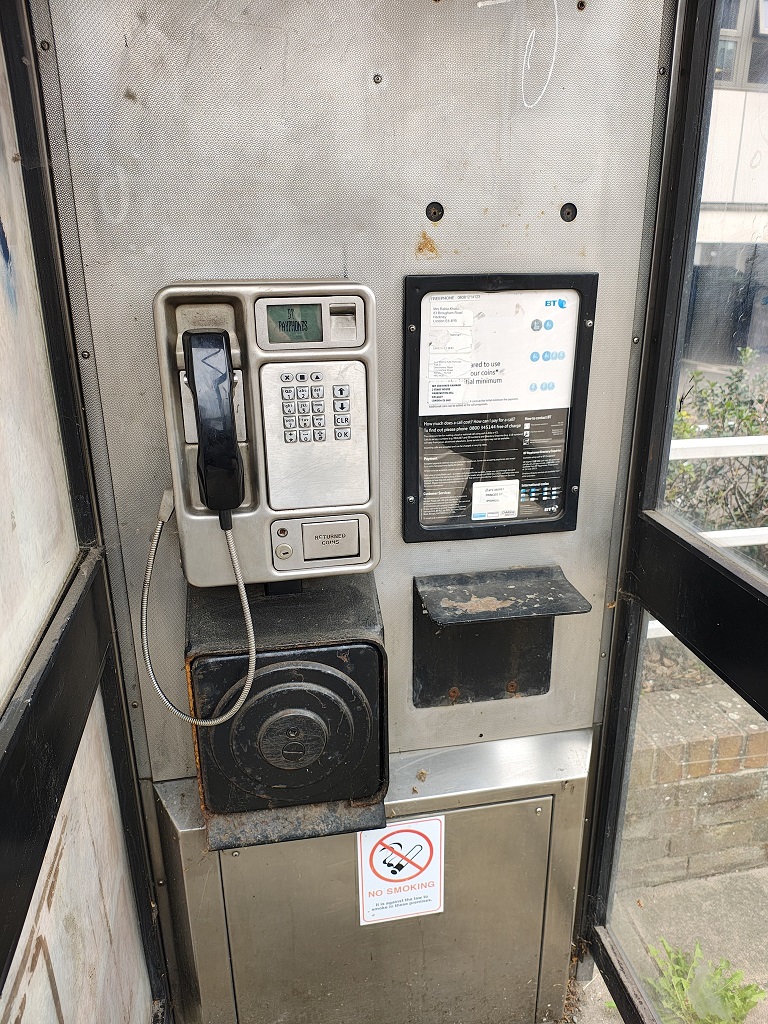
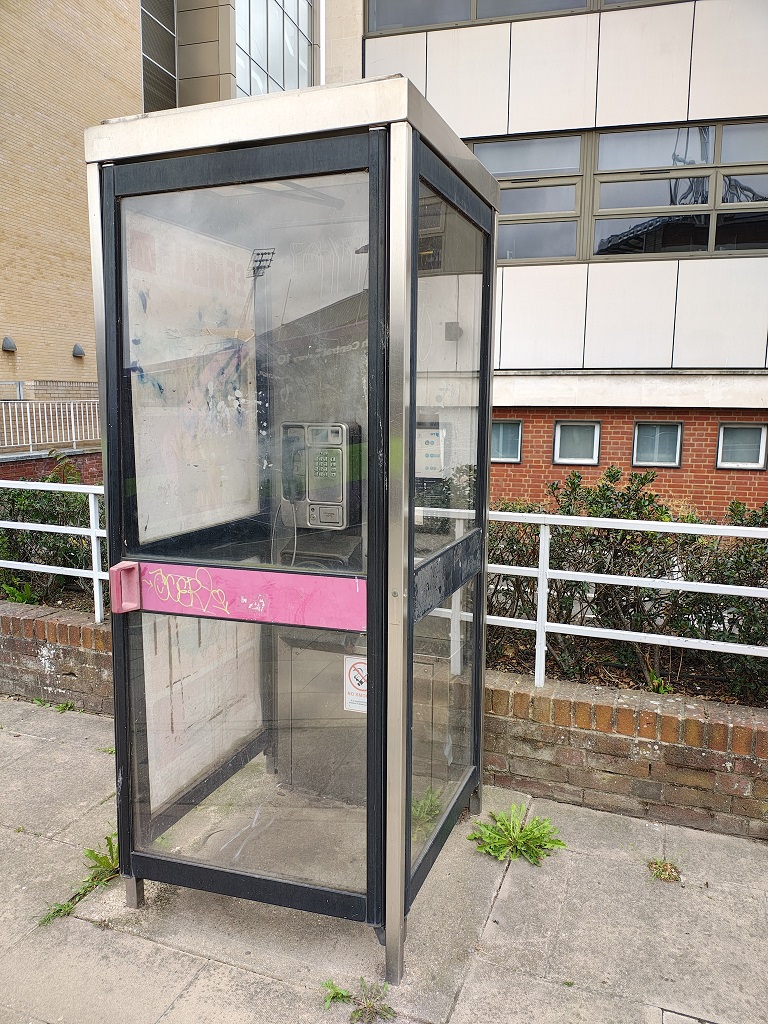
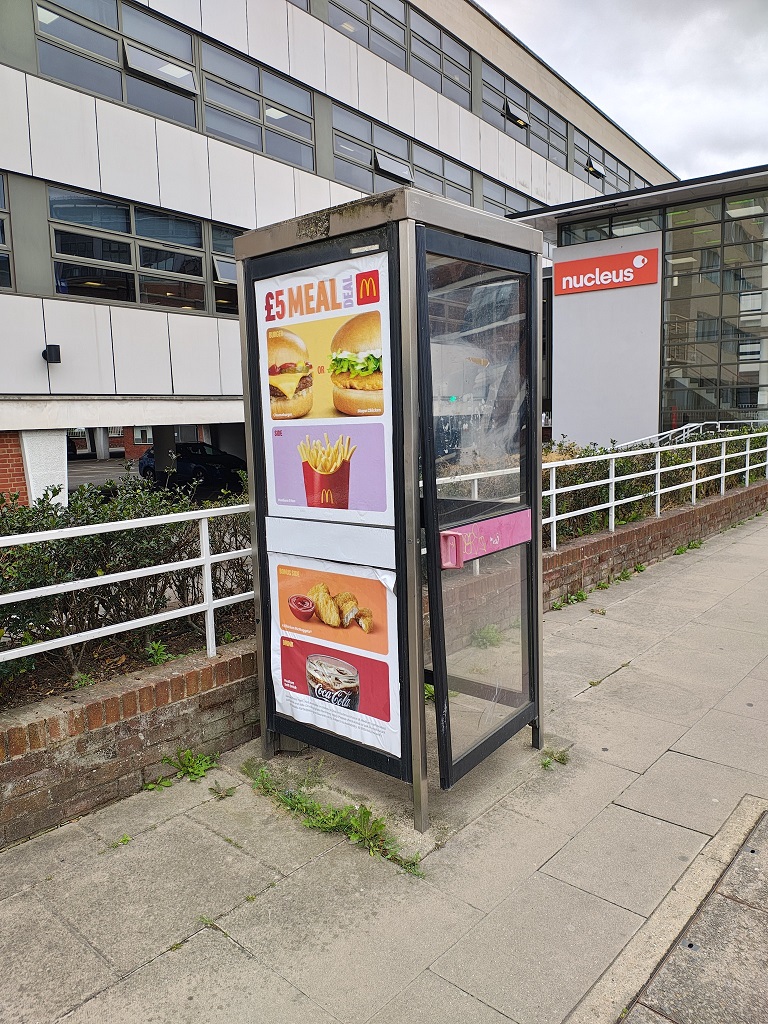


| Further notes |
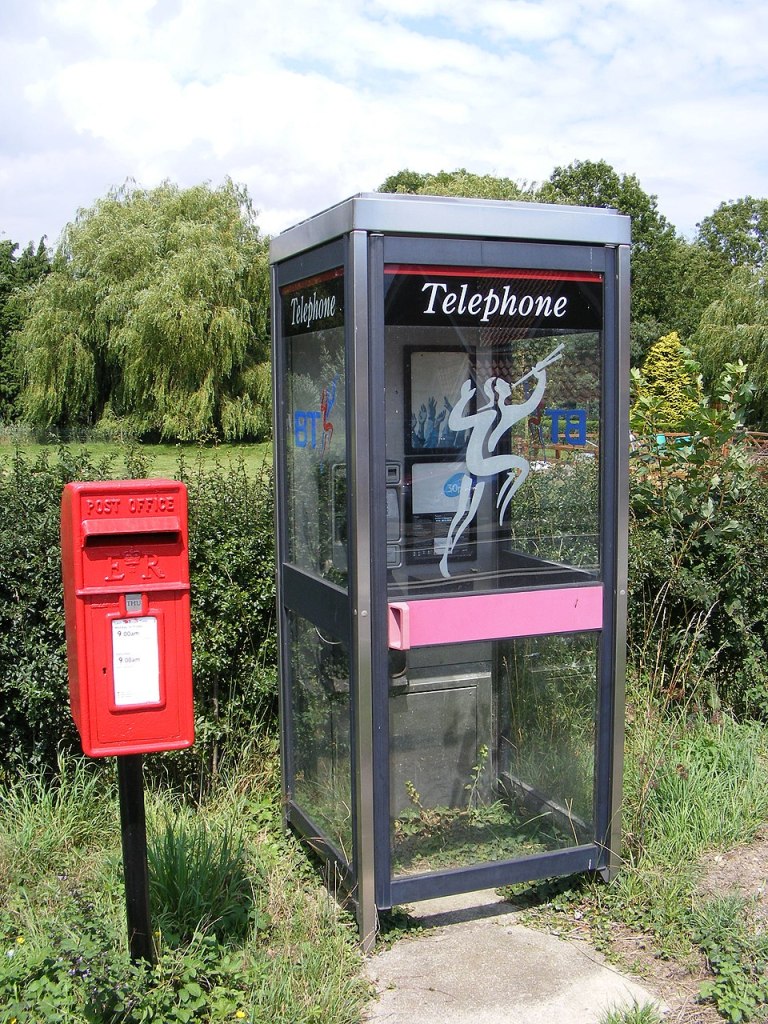
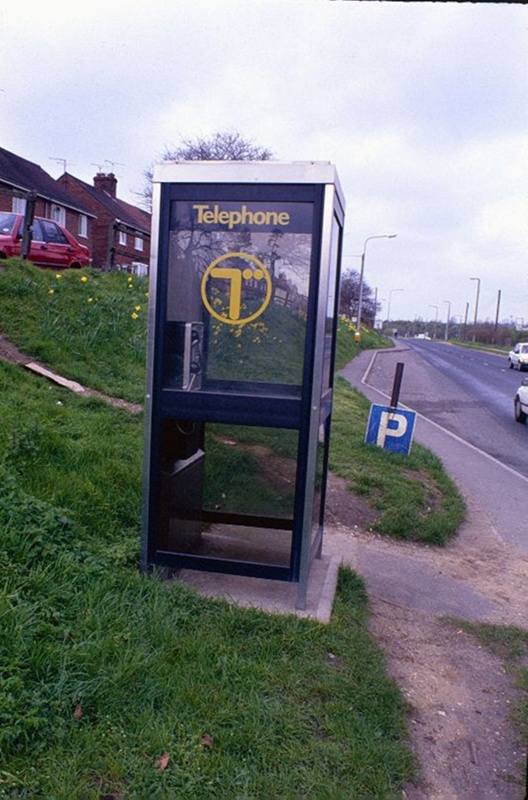
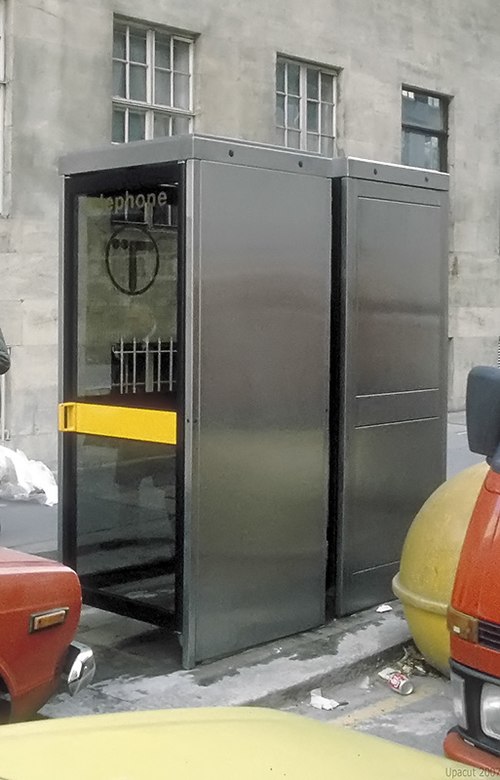
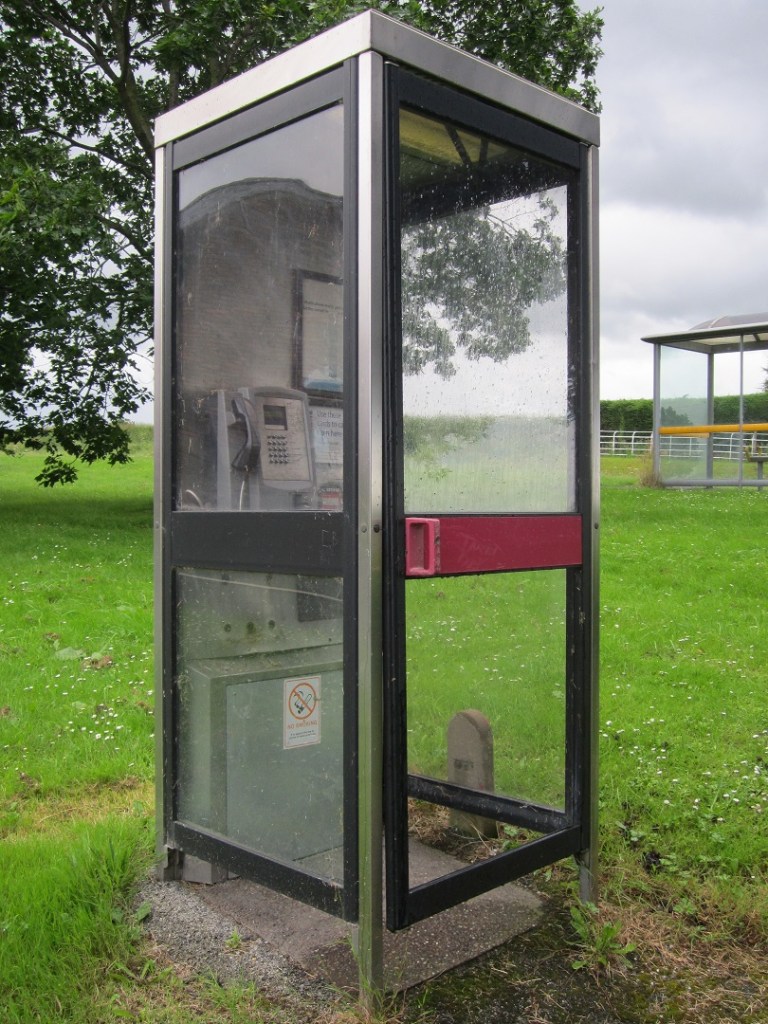
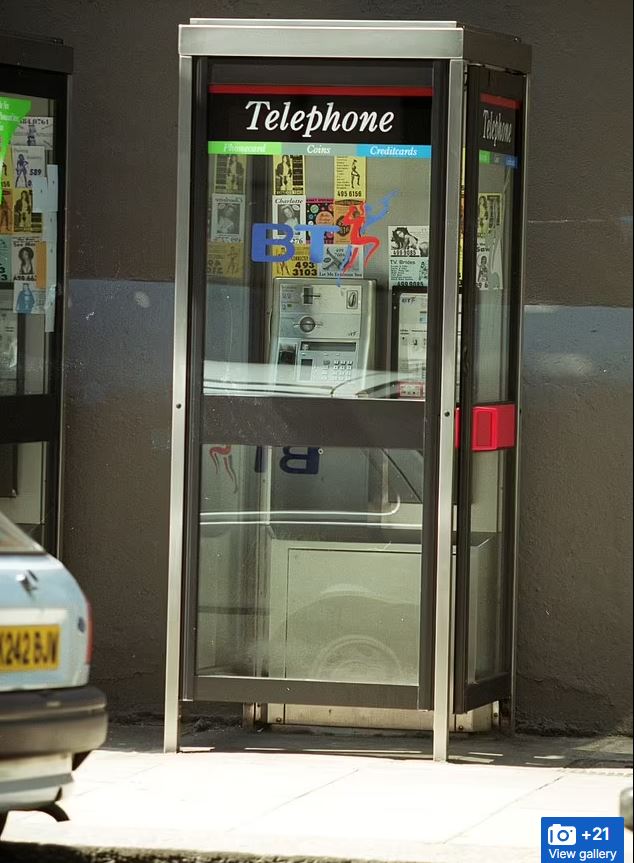
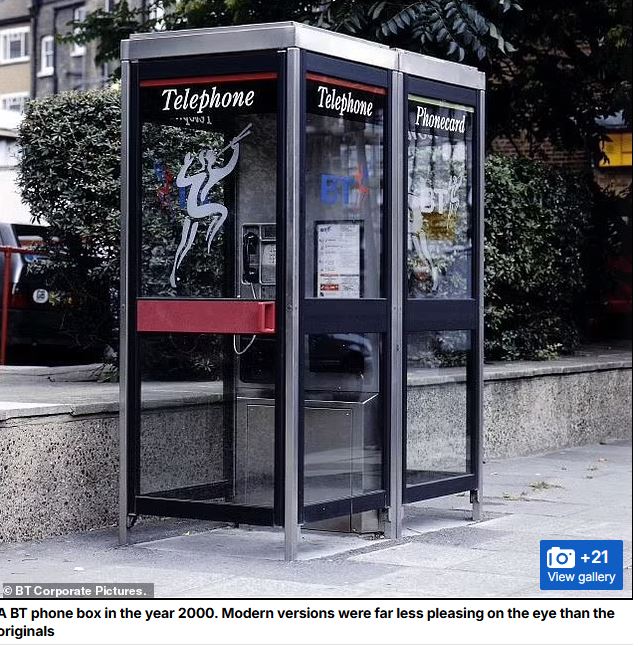
| Kiosk No. KX100 The KX100 telephone kiosk, introduced in 1985, represents a marked shift from the classic cast-iron red telephone boxes toward a more modern, utilitarian style adapted to the changing technological and social landscape of British telecommunications. Designed by the design consultancy GKN Telecommunications, the KX100 was the first in a series of “KX” kiosks developed to provide improved durability, cost efficiency, and ease of maintenance in an era when public payphone use was evolving rapidly. The KX100 entered service primarily across urban and suburban areas throughout the United Kingdom, with some installations in high-traffic commercial locations such as shopping centres, transport interchanges, and city centres. Unlike earlier telephone kiosks, the KX series was rarely exported, and surviving examples outside the UK are uncommon (used in New Zealand). Today, there are still a fair number of KX100 kiosks in use (usually preferred to keep working payphones in, while the K6s are used for other community purposes). Manufactured by industrial fabricators under contract, the KX100 was constructed from galvanized steel panels and large, durable glass or polycarbonate windows. Its design featured clean, angular lines and a rectangular box form with a robust steel frame. The kiosk was typically painted in British Telecom blue-grey, a significant departure from the traditional red telephone boxes, reflecting the corporate branding of BT at the time. Internal lighting was fitted with energy-efficient fluorescent tubes to ensure visibility and user safety. In terms of dimensions, the KX100 was larger and more spacious than traditional boxes, designed to comfortably accommodate a standing user and allow easier access for those with disabilities. The kiosk featured a single hinged door with a large glass panel, providing excellent visibility and a sense of openness. Ventilation was enhanced compared to earlier models, with improved airflow design, although acoustics inside remained an issue due to the hard surfaces. The payphones installed in the KX100 were modern push-button units compatible with coin and later card payments, including early phonecard readers. The kiosk’s design allowed for relatively easy upgrading of internal equipment to keep pace with technological advances. The location strategy for the KX100 was managed by British Telecom, targeting areas with sufficient public demand and foot traffic. The kiosk was part of a broader political and institutional shift toward modernization, cost containment, and the gradual phasing out of heritage kiosks seen as less practical in an increasingly mobile society. Culturally, the KX100 did not achieve the iconic status of earlier red kiosks and was generally viewed as a functional rather than symbolic piece of street furniture. It rarely appeared in media, films, or literature and lacked the nostalgic appeal that earlier kiosks inspired. During removal campaigns, public interest was generally low, reflecting changing communication habits and preferences. Documentation for the KX100 is held within BT archives and local authority records, with some details in telecommunications museums. |
 Pay phone Story
Leave a comment