| Name | Kiosk No. KX200 |
| Date | 1996-present |
| Manufacturer | GKN Telecommunications |
| Usage | Public call box- head box |


| Further notes |
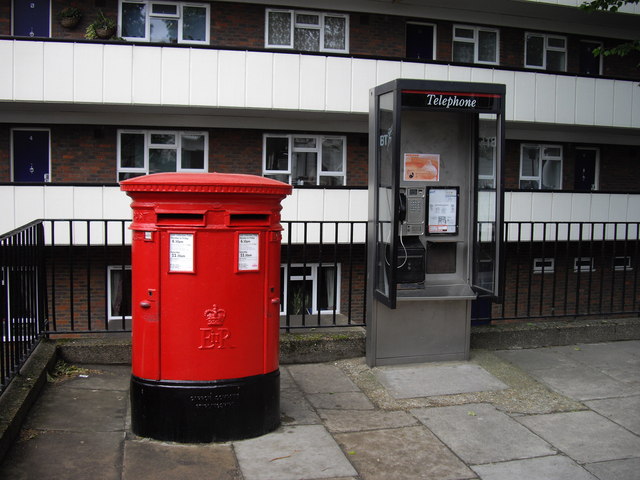
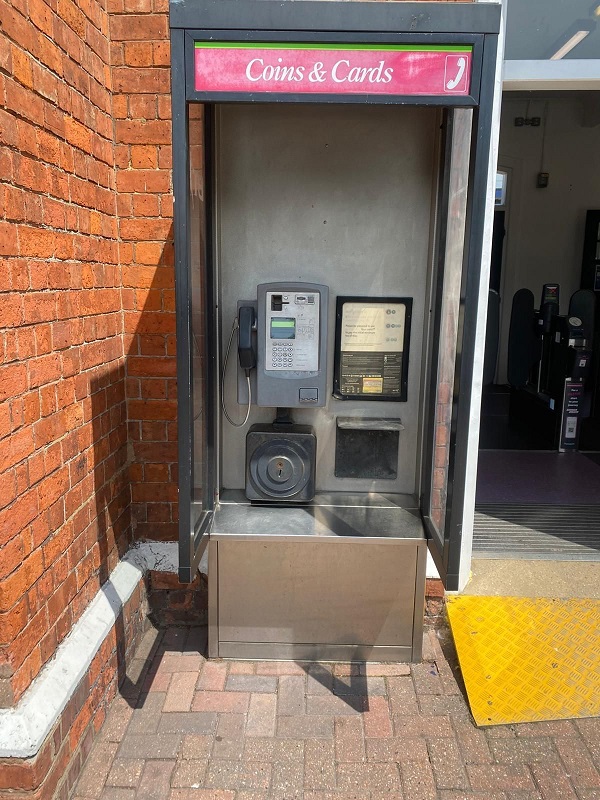
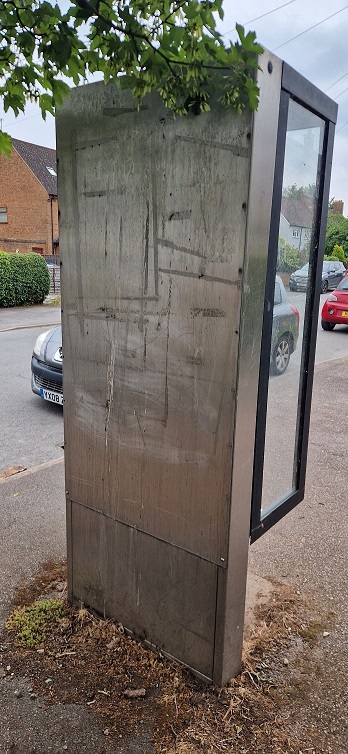
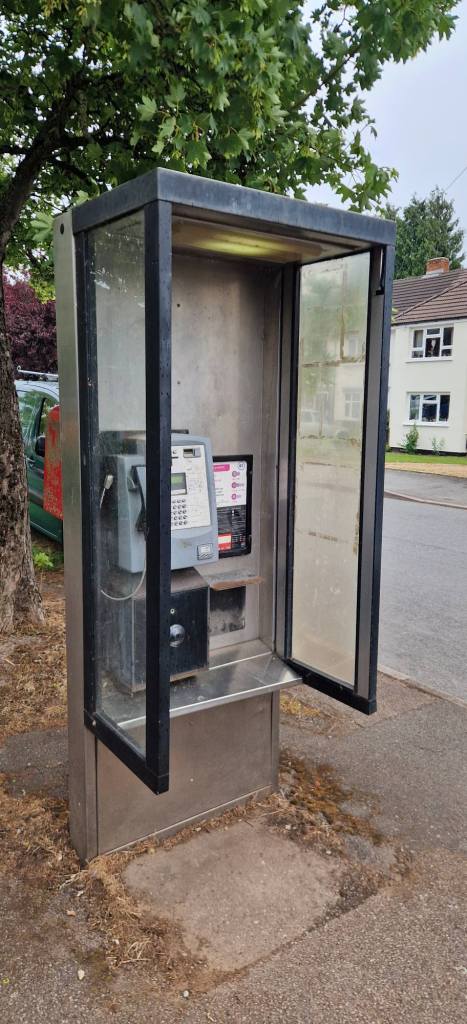
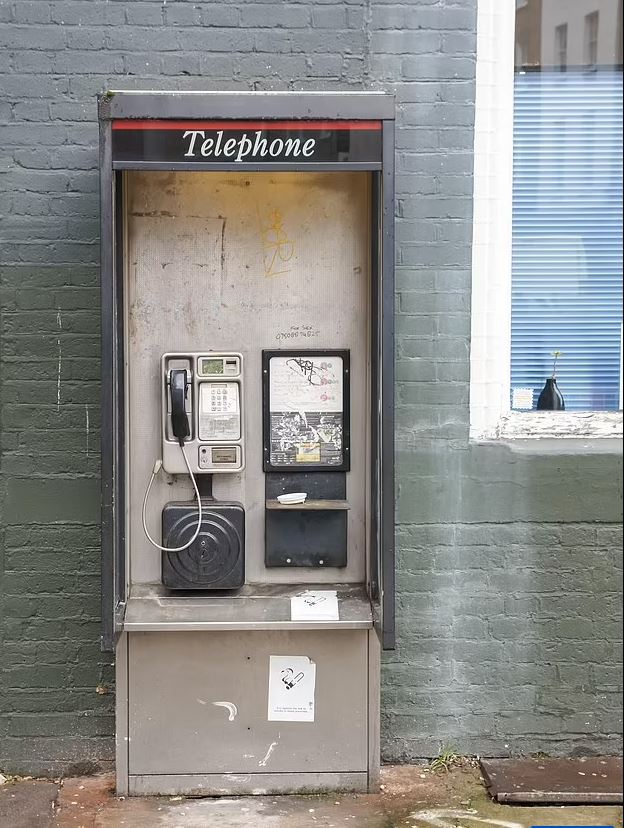
| Kiosk No. KX200 The KX200 telephone kiosk was introduced in 1996 as part of British Telecom’s continued modernization efforts in the late 20th century, aiming to provide a more robust, user-friendly, and vandal-resistant public payphone solution. The KX200 represented an evolution of the earlier KX series kiosks, featuring improvements in design, materials, and technology to address the changing landscape of telecommunications and the increasing prominence of mobile phones. Manufacture of the KX200 was carried out by GKN Telecommunications under British Telecom’s specification, using stainless steel frames combined with toughened glass or polycarbonate panels to enhance durability and resist vandalism. The kiosk’s design featured clean, geometric lines with a slightly more contemporary aesthetic compared to previous KX models. Its external finish was typically British Telecom blue-grey, consistent with corporate branding at the time. Internal lighting utilized energy-efficient fluorescent or LED fixtures to ensure clear visibility and safety for users. The open head-box standing kiosk’s dimensions provided ample interior space for one user, incorporating accessibility considerations such as wider doorways and easy reach to payphone controls, aligning with emerging disability access standards. Maintenance was simplified by the use of modular panels and standardized components, allowing rapid replacement of damaged parts. Inside the KX200, modern push-button payphones were installed, compatible with coin operation and the increasingly common phonecard payment method. The kiosk’s design also allowed upgrades to newer digital payment systems as technology advanced. Location strategy for the KX200 was coordinated by British Telecom in consultation with local authorities, focusing on sites with sufficient foot traffic and public demand. Typically used in open public area streetscapes (transport hubs, etc) to save pedestrian circulation space (smaller footprint) and allow for a cheaper manufacturing and installation. Culturally, the KX200 did not achieve the iconic status or nostalgic affection associated with earlier red telephone boxes. It received limited exposure in media or popular culture, and public sentiment during removal campaigns was generally indifferent, with little organized resistance. |
 Pay phone Story
Leave a comment