| Name | BN800 Vanguard egg |
| Date | Early–mid 1960s introduction, in production into the 1970s |
| Manufacturer | Benner Nawman |
| Usage | US Phone Booth |


| Further notes |
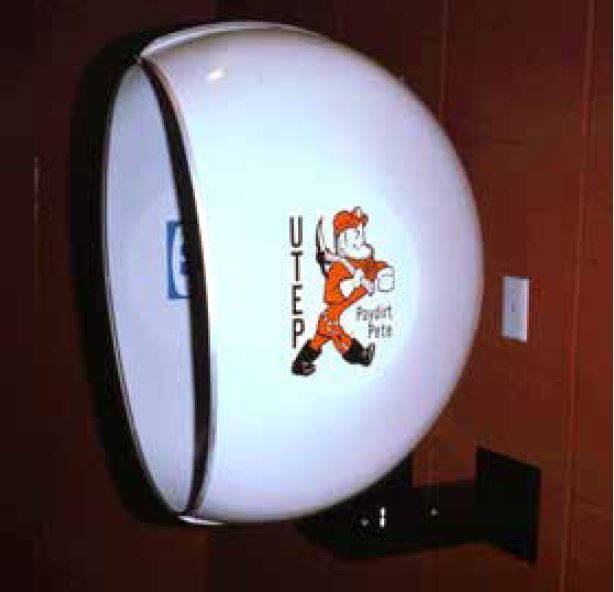
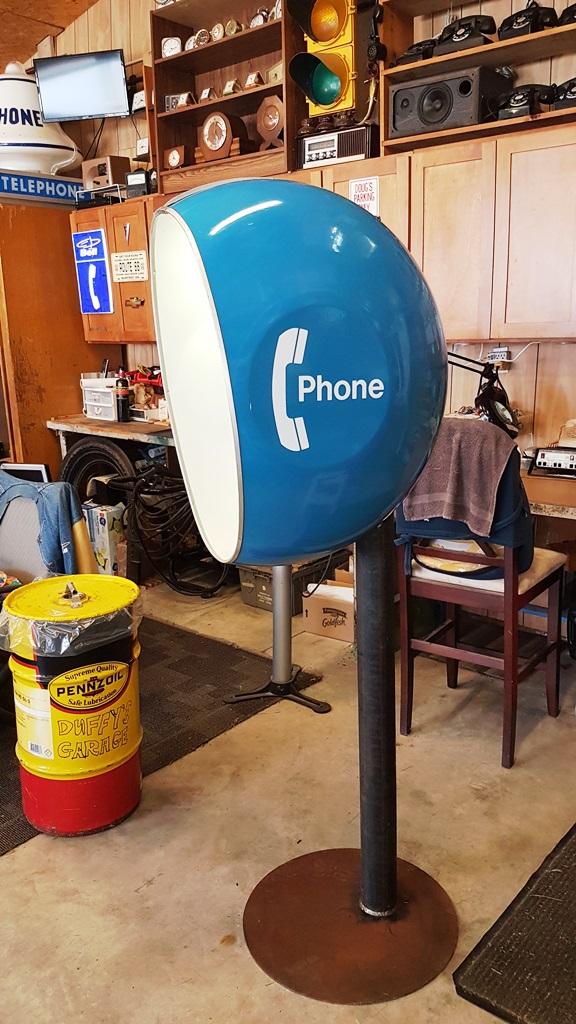
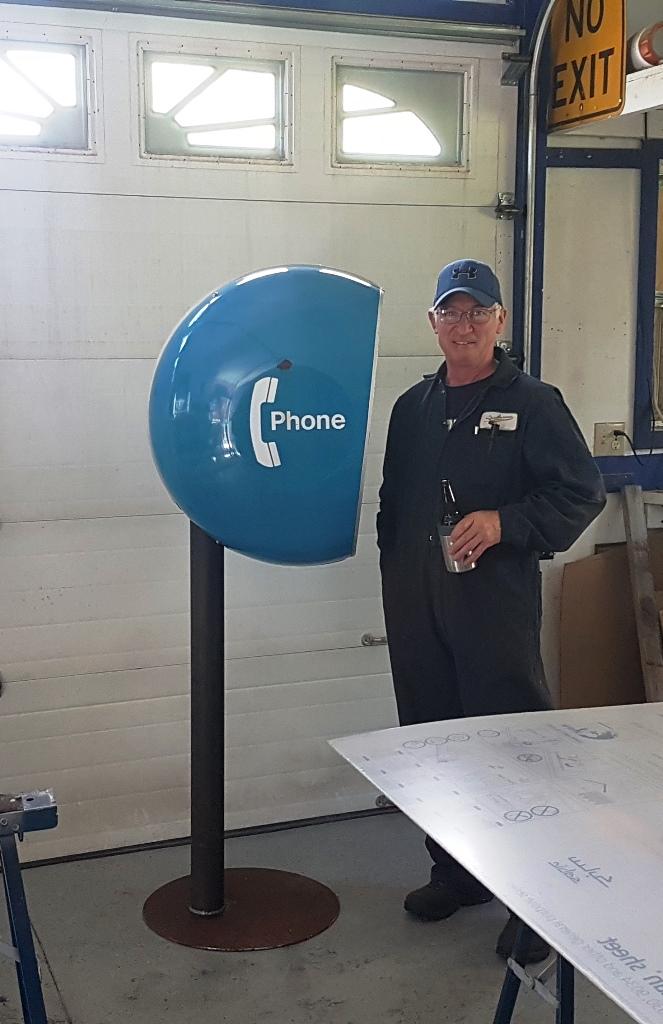
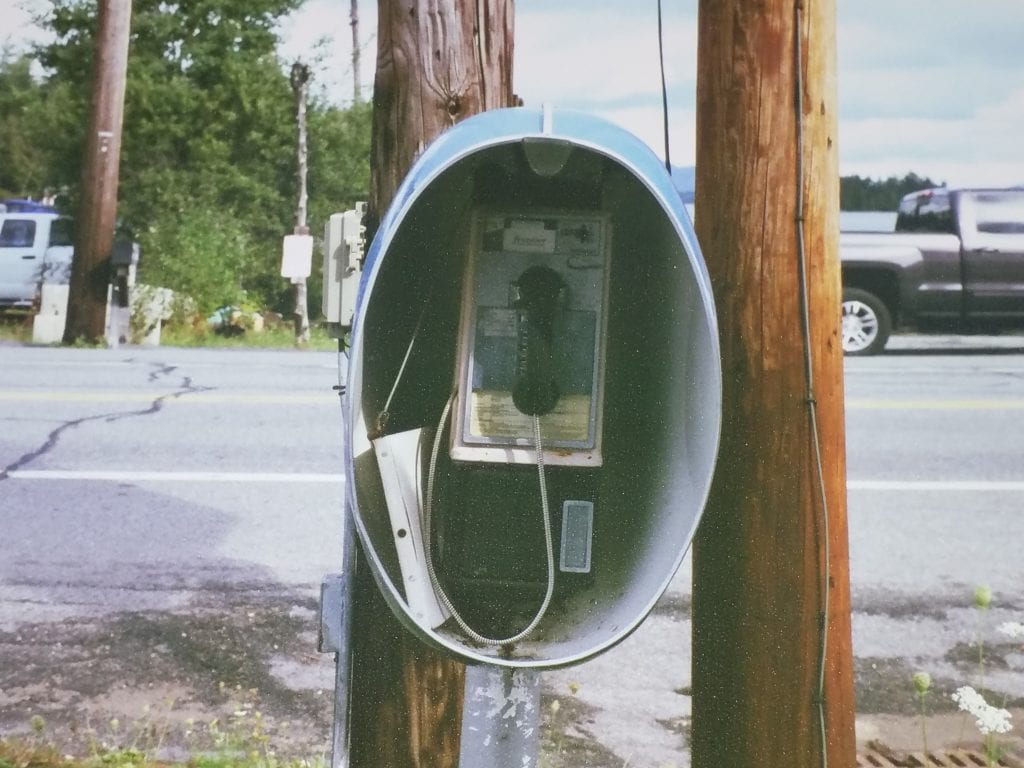
| The Benner-Nawman BN-800 “Vanguard” Booth Manufacturer: Benner-Nawman, Inc. (Glendora, California, USA) Era: Early–mid 1960s introduction, in production into the 1970s 🔹 Design & Features Shape: Smooth, rounded fiberglass shell with a futuristic, pod-like look — hence the “egg booth” nickname. Material: Reinforced fiberglass body with aluminum trim. This made it lightweight and resistant to rust, unlike the older wood or steel booths. Entry: Usually open-front (no door) to cut down on maintenance and vandalism. Interior fittings: Angled fiberglass shelf with mounting space for a single payphone set. Small overhead light fixture inside canopy. Wiring routed through concealed conduits in the back shell. Color schemes: Often molded in white or off-white fiberglass, with interior trims in blue, green, or grey depending on customer order. 🔹 Usage Marketed for both indoor and outdoor use — shopping centers, airports, campuses, gas stations, roadside stops, and military bases. Promoted as modern, vandal-resistant, weatherproof, and easy to clean, compared to timber booths and aluminum KS-series Bell booths. They were sold both to independent telcos and to some Bell operating companies in regions that permitted outside-sourced booths. 🔹 Significance Represented the 1960s design trend of sleek fiberglass street furniture — much like the Eames fiberglass chairs or streamlined bus shelters of the same era. While never as common as Western Electric’s KS-19425 aluminum booths, they found a niche in the independent telephone company market, where Benner-Nawman had strong sales. Surviving examples are now collectible artifacts, often restored by payphone enthusiasts due to their unusual “space age” appearance. ✅ In summary: The BN-800 Vanguard was a fiberglass “egg booth” made by Benner-Nawman in California from the early 1960s. It was marketed as a futuristic, durable alternative to standard phone booths, and saw wide use in malls, gas stations, campuses, and independent telco territories. Its pod-like, space-age design makes it one of the most visually distinctive American payphone booths ever produced. |
 Pay phone Story
Leave a comment