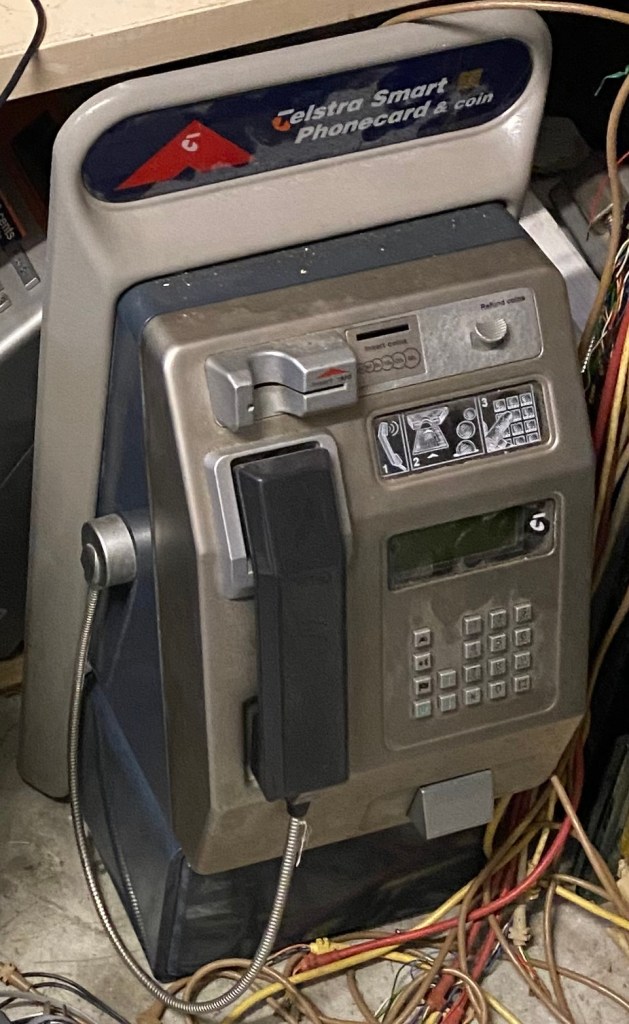
| Name | Telstra Smart Payphone SMARTCARD PHONES (MPP=Multi Purpose Payphone) (X1 or X2 as a suffix, some in old case are Z2) |
| Date | Introduced in 1997 to replace the CT3 payphone. The SS casing was subsequently thickened to be more vandalproof. |
| Manufacturer | First models by Amper, Spain. Maintained now by Telstra. See notes below- |
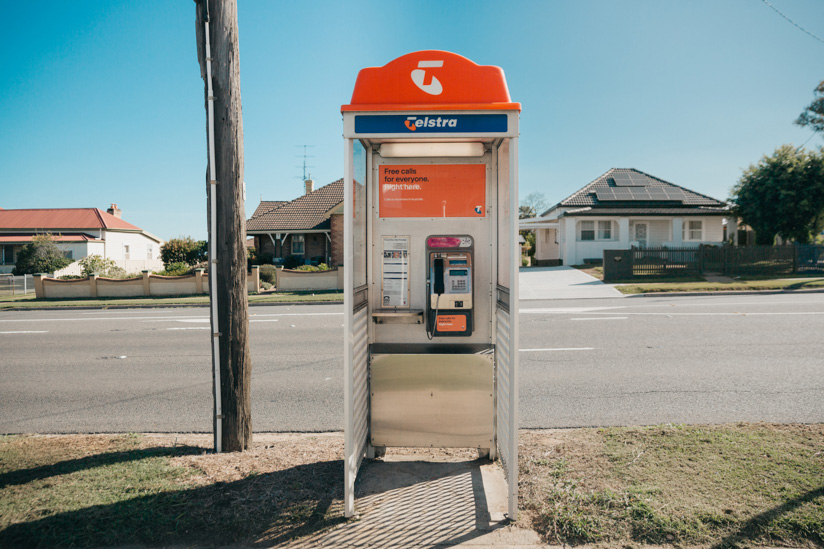
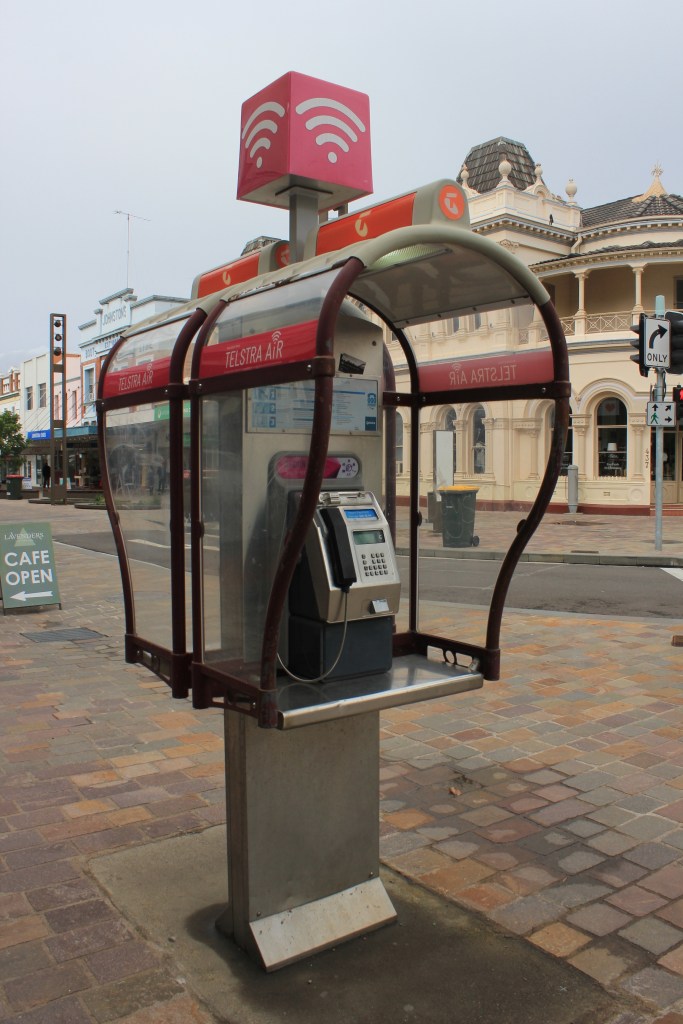
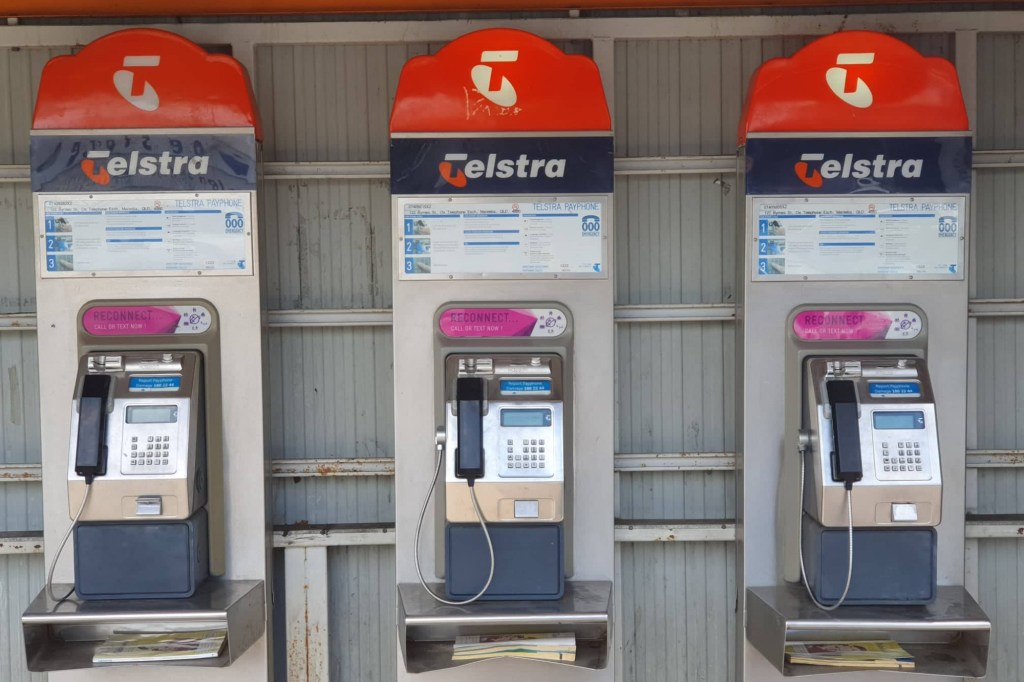
| Usage | Phoneboxes |



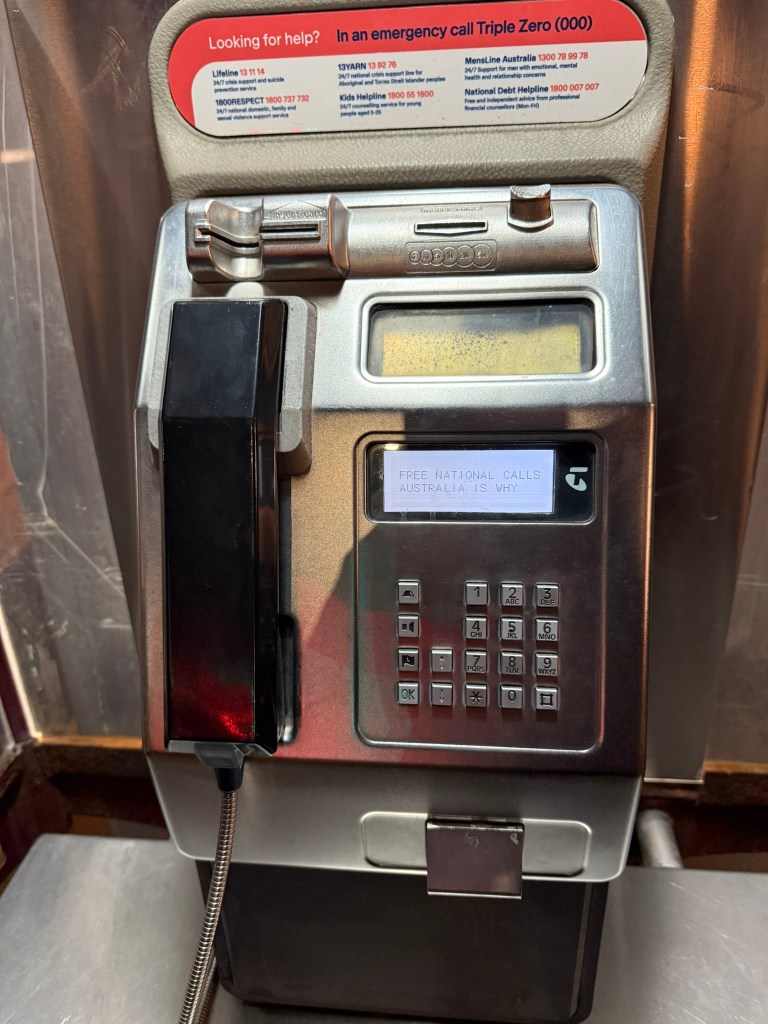
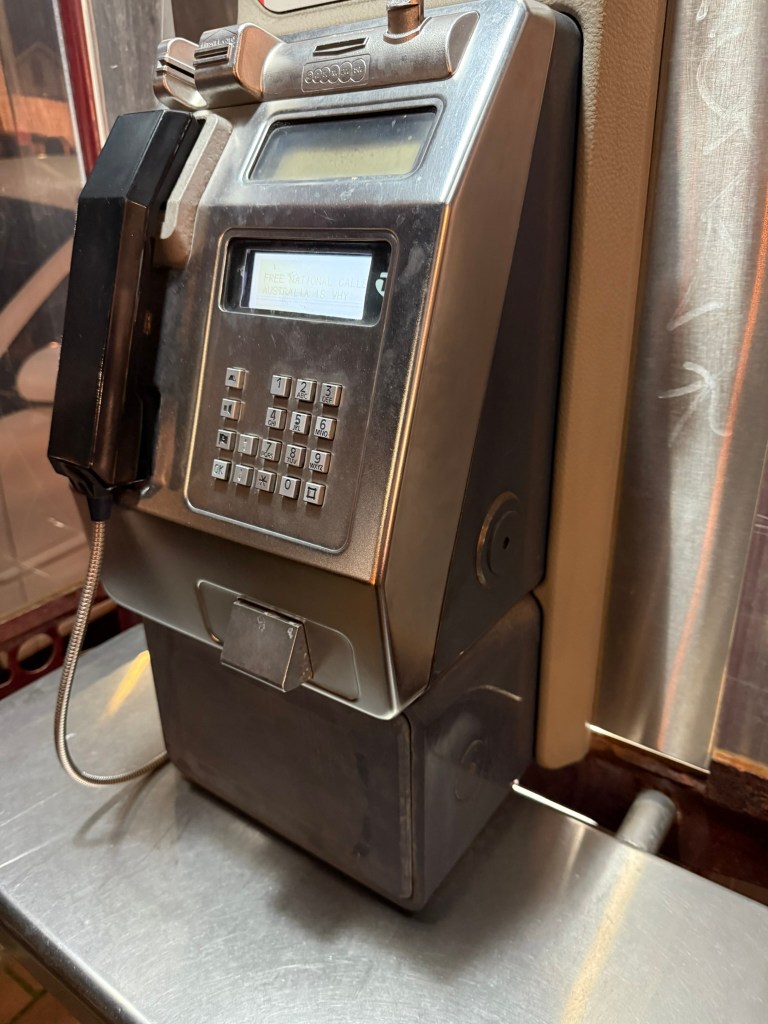
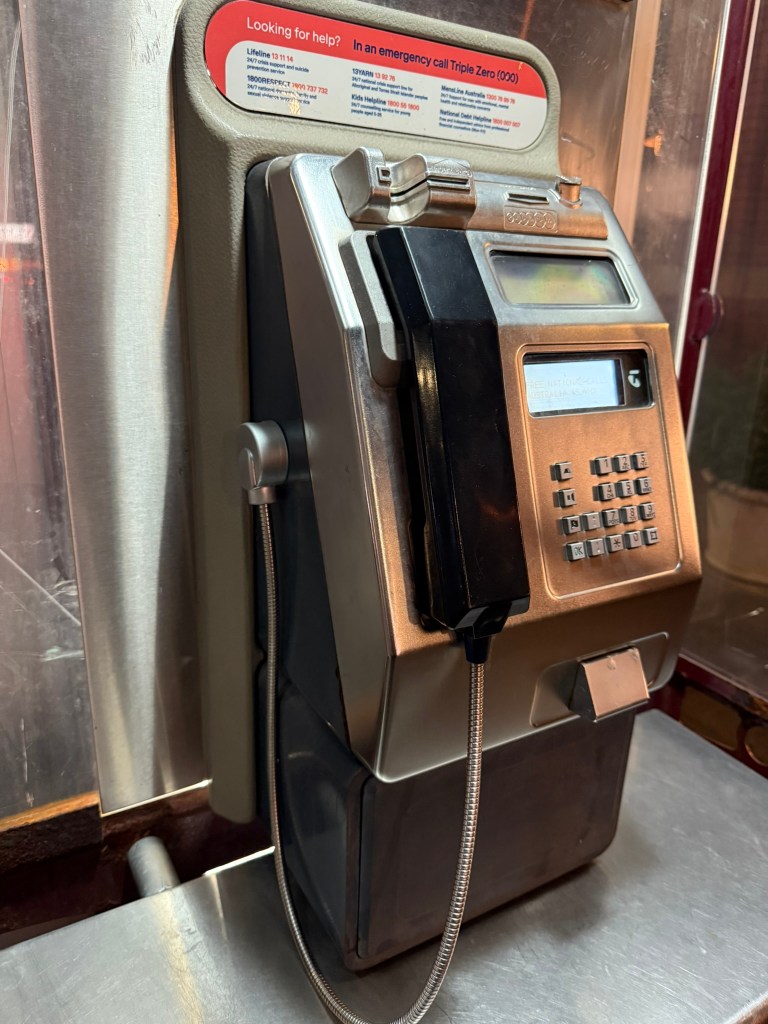
| Further notes |
| X1-01 – Smartcard Payphones (MPP = Multi-Purpose Payphone) These advanced payphones were designed to accept smartcards and were manufactured by the Spanish company Amper, in collaboration with Siemens, which produced the embedded SLE4436E chip in Telstra’s disposable phonecards. The units featured a card locking mechanism that prevented removal during calls. Early deployments began in Adelaide, followed by Perth, Brisbane, and Sydney. Equipped with automatic fault reporting (similar to the CT3/CP9 series), these phones dialled a central number to report technical issues. However, they lacked a bell/ringer, meaning that operators (e.g., 1234) could not connect calls to them. Problems and Retrofit: By 1999, Telstra began replacing or retrofitting these phones due to: -Poor durability in extreme Australian weather -Vulnerability to vandalism and theft -Incompatibility with Telstra’s evolving infrastructure Changes included: -A shiny, corrosion-resistant finish -A domed coin head for enhanced security -Replacement of older coin slots and safes with more tamper-proof versions (e.g., Kirk safes) Despite early setbacks, they accepted a wide range of coins: 5c, 10c, 20c, 50c, $1, and $2. |

 Pay phone Story
Leave a comment