| Name | K6(II) Kiosk No. 6 Mk. II |
| Date | 1952-1968 |
| Manufacturer | BPO |
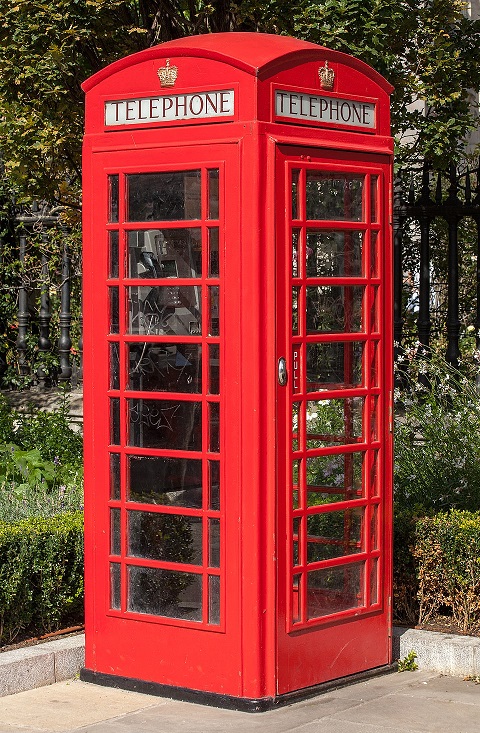
| Usage | Public call box. The most notable difference to the previous K6 was the updated royal insignia, with the St Edward’s Crown replacing the Tudor Crown used on earlier models. |
| Further notes |
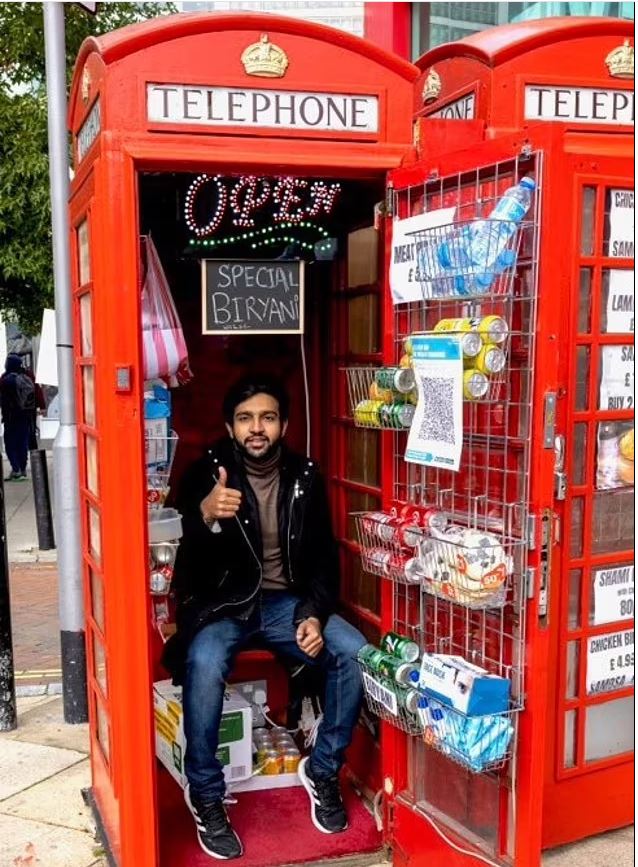
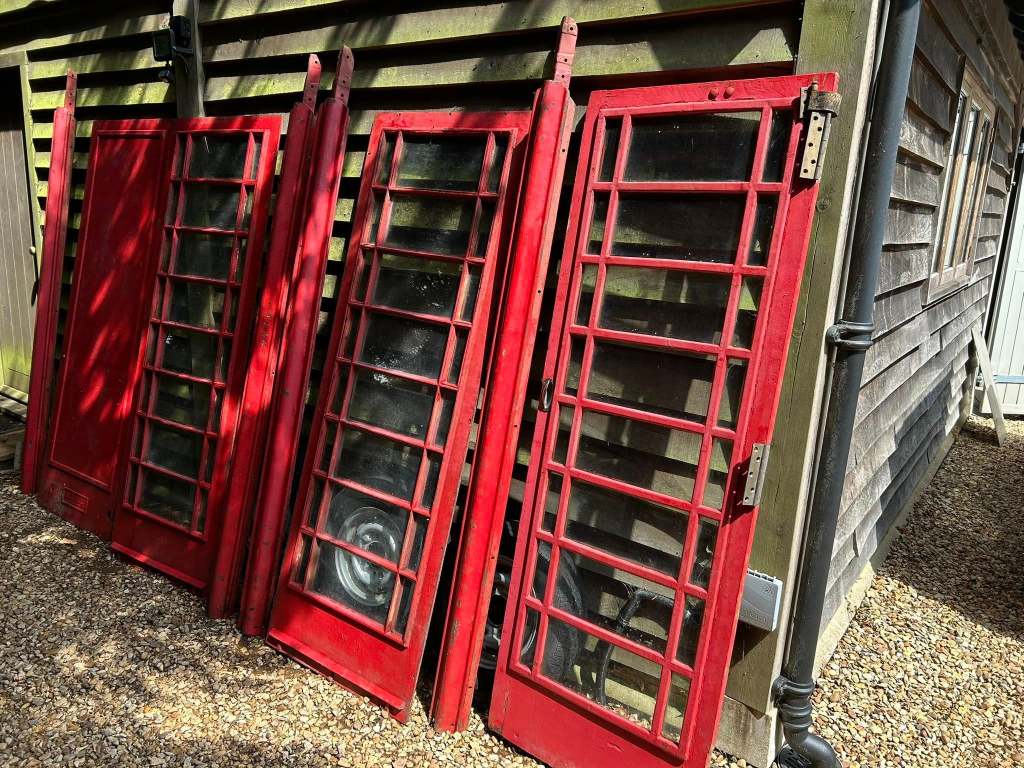
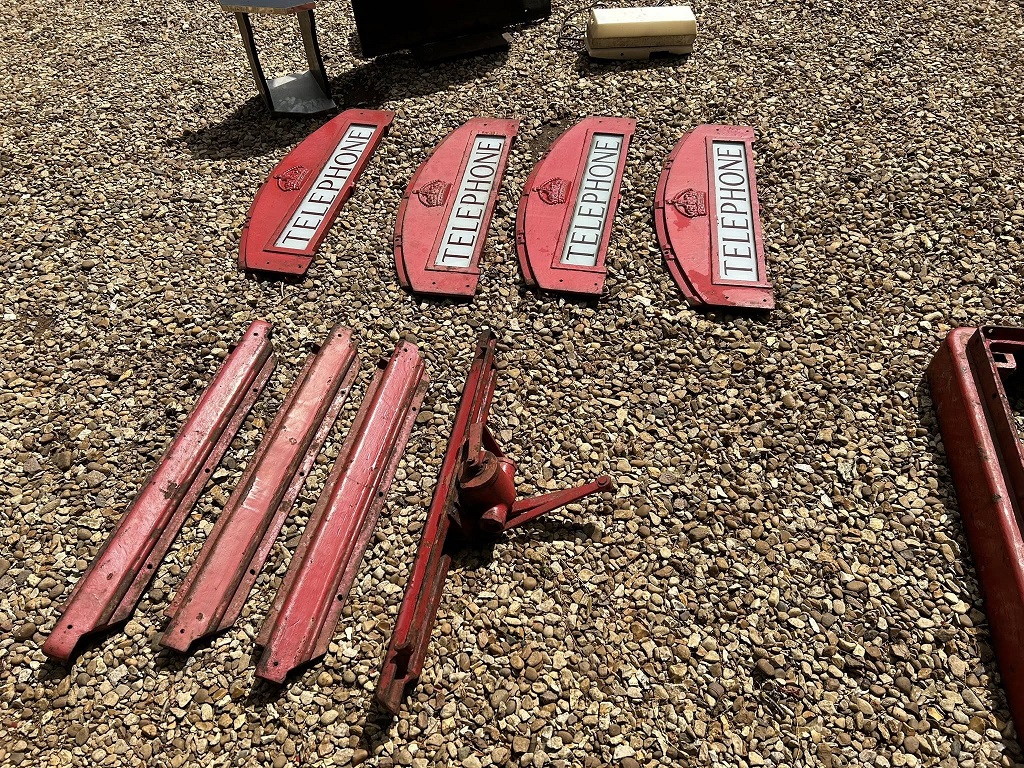
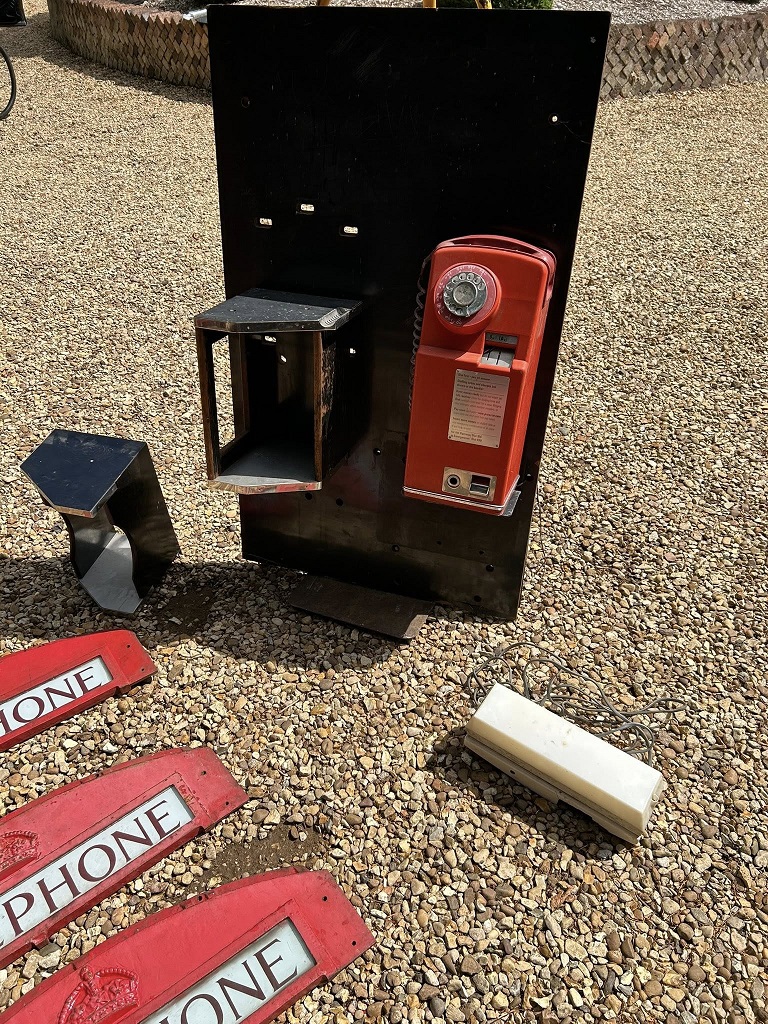
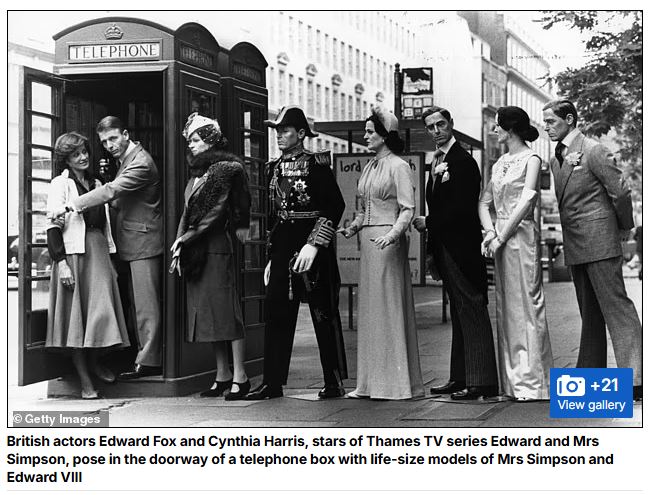
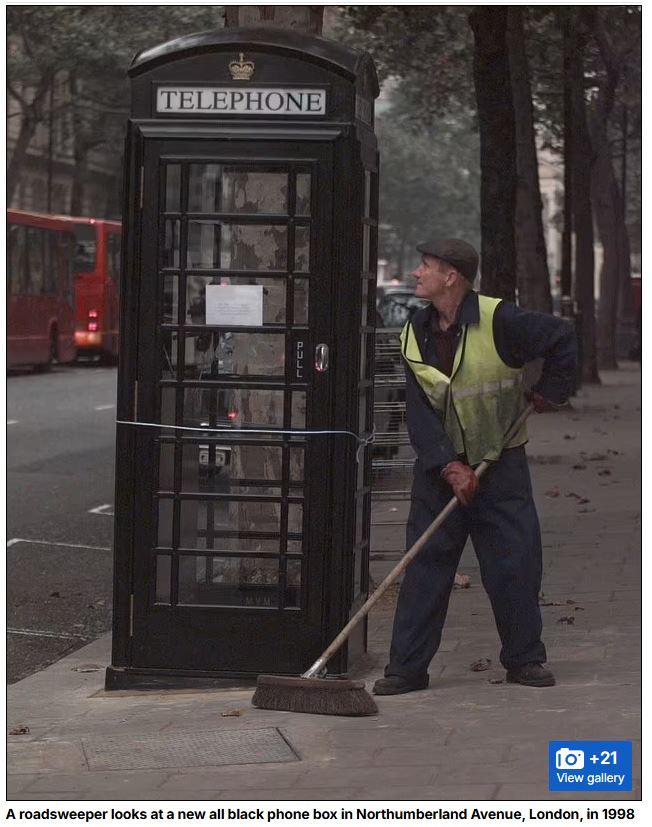
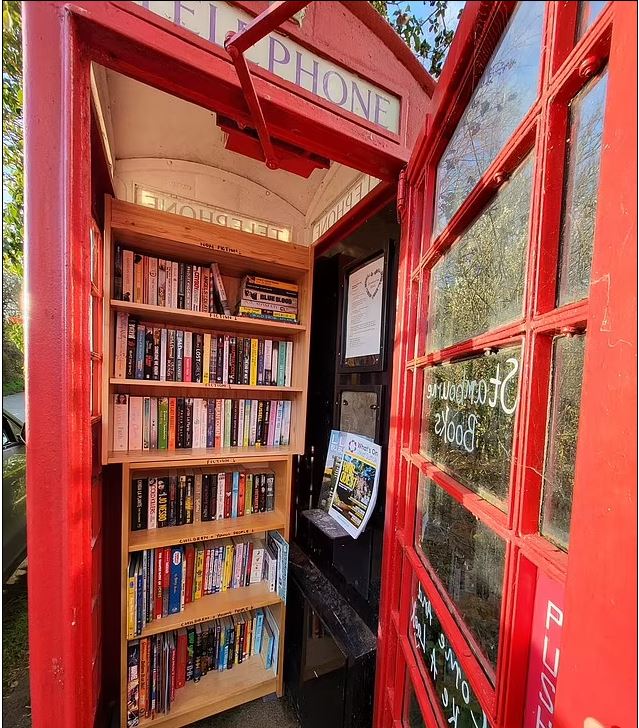
| Kiosk No. 6 Mk. II Kiosk No. 6 Mk. II, introduced in 1952, was a subtle yet symbolically important evolution of the original K6 telephone box. It retained the same physical form, materials, and structure as the original 1936 K6 design by Sir Giles Gilbert Scott, but the Mk. II version reflected a new era of British monarchy, introduced in the year of Queen Elizabeth II’s accession. The most notable difference was the updated royal insignia, with the St Edward’s Crown replacing the Tudor Crown used on earlier models. This update aligned with the new Queen’s heraldic identity and was applied selectively depending on location and timing. The K6 Mk. II was installed throughout the United Kingdom, often as part of replacement or supplementary orders rather than in new locations. It was functionally identical to the original K6, and in many cases, earlier kiosks were retrofitted with the updated crown to reflect the change in reign. The Mk. II also appeared in British overseas territories, including Gibraltar, Bermuda, and Malta, and has since become a common fixture in heritage precincts worldwide. As it was often indistinguishable at a glance from the original K6 except for the crown, many of the surviving 10,000 or so K6 units now in the UK are Mk. II variants or have had Mk. II features retrofitted. The kiosks were manufactured at the same foundries as earlier K6s, primarily by the Carron Company in Scotland, using cast iron panels, a glazed timber door, and interior fittings for telephone equipment and lighting. The standard colour remained Post Office Red, but—as with all K6 variants—some rural or conservation areas permitted alternative schemes such as green, grey, or black, particularly in areas of scenic or historic significance. The four illuminated signage panels reading “TELEPHONE” were retained, but the crown type (St Edward’s) was a key distinguishing feature, cast into the upper panels. In terms of size and ergonomics, the Mk. II matched the original K6, offering compact standing room for one user, with a standard entry door and 8×3 pane glass configuration. Ventilation was achieved through narrow slits beneath the roof dome. While robust and generally weatherproof, long-term maintenance of these cast iron kiosks presented challenges, especially with rust at the base, broken glazing, and paint flaking over time. These kiosks originally housed the familiar Button A/B payphones, later upgraded with rotary dials, press-button sets, and eventually digital phonecard mechanisms in the late 20th century. As with earlier models, location policy was controlled by the GPO, later British Telecom (BT), and kiosks were placed in both high-footfall urban locations and smaller towns, depending on need and network development goals. Culturally, the K6 Mk. II continued the tradition of the red telephone box as a national icon, without altering the public perception shaped by the earlier version. Though the Mk. II doesn’t appear independently in media, its presence reinforces the red box as a symbol of British design, and it remains a popular subject in souvenirs, photographs, and films. As public telephony declined, there was strong public sentiment in favour of preservation, particularly in villages where the kiosk was seen as a community landmark. Surviving Mk. II kiosks have been repurposed in creative ways, such as mini-libraries, defibrillator cabinets, art pieces, or community information points. Others have been carefully restored by private owners, heritage groups, or local councils. Restoration efforts include recasting enamel signs, reproducing crown types, and repainting in traditional colours. Documentation for Mk. II kiosks exists in BT archives, GPO records, and heritage registers maintained by Historic England. Internationally, the K6 Mk. II continues to be featured in British-themed parks, embassies, and tourist centres around the world. Some have been exported or gifted to New Zealand, the United States, and Japan, where they serve as nostalgic or decorative objects. Heritage organisations have supported restoration grants, especially in conservation zones, and parts are available through specialist suppliers for authentic preservation. Though visually indistinguishable from its predecessor in most respects, the K6 Mk. II carries symbolic importance as the version that ushered Britain’s beloved telephone box into the Elizabethan era. The British Telephone Kiosk No. 6 (K6) was manufactured from 1936 until around 1968. Introduced: 1936, to commemorate King George V’s Silver Jubilee (it’s sometimes called the Jubilee Kiosk). Designed by: Sir Giles Gilbert Scott, also the designer of the K2 kiosk. End of production: Although there is no exact “cut-off” year, large-scale manufacture ceased by the late 1960s, when the K8 kiosk began replacing both K6 and earlier types from 1968 onward. Production peak: Most units were installed in the 1940s–50s; over 60,000 K6 kiosks were eventually installed across the UK, making it the most common red telephone box. Many K6s survive today, often repurposed (e.g., as libraries, defibrillator stations, or mini-museums). |
 Pay phone Story
Leave a comment