| Name | Police Call Boxes |
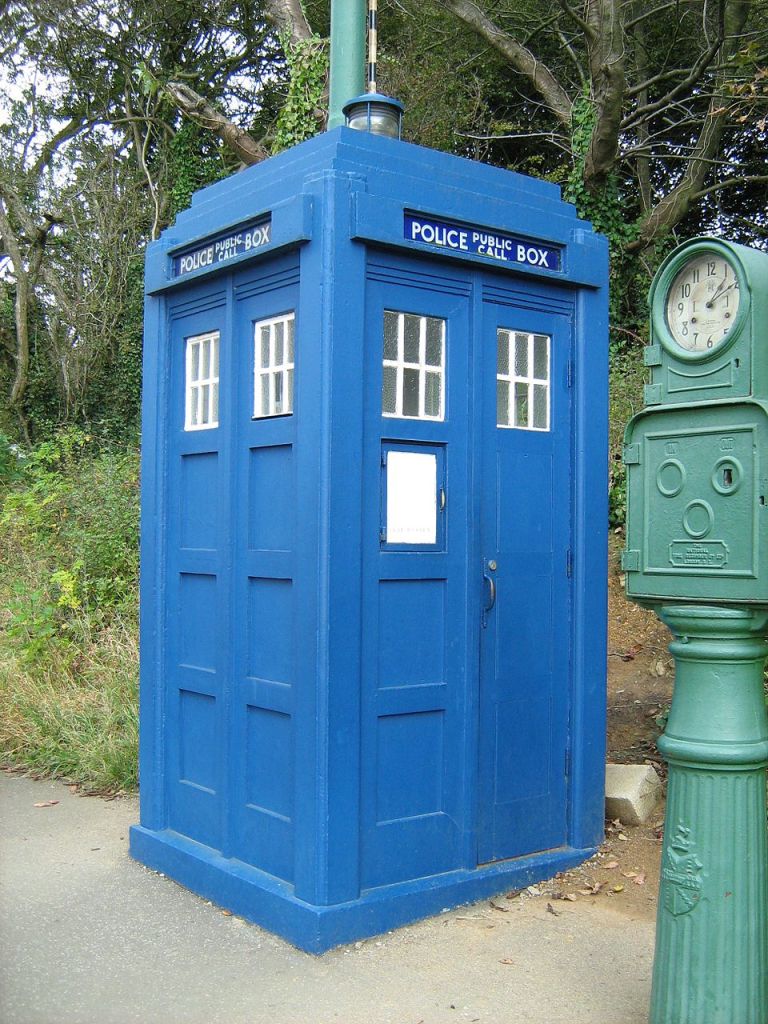
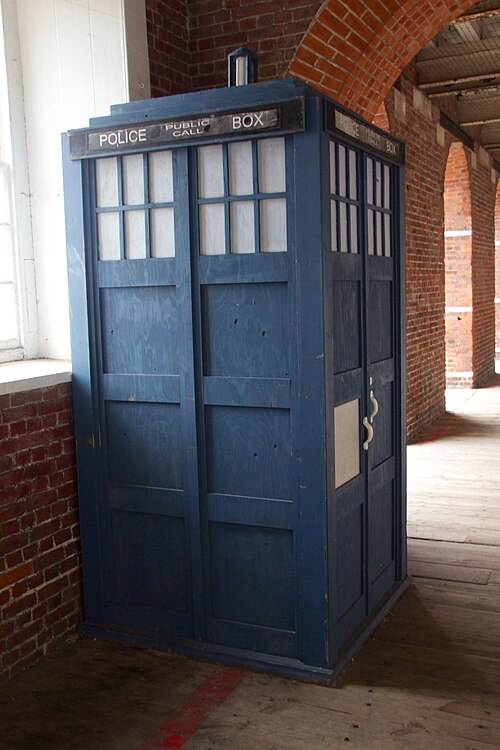
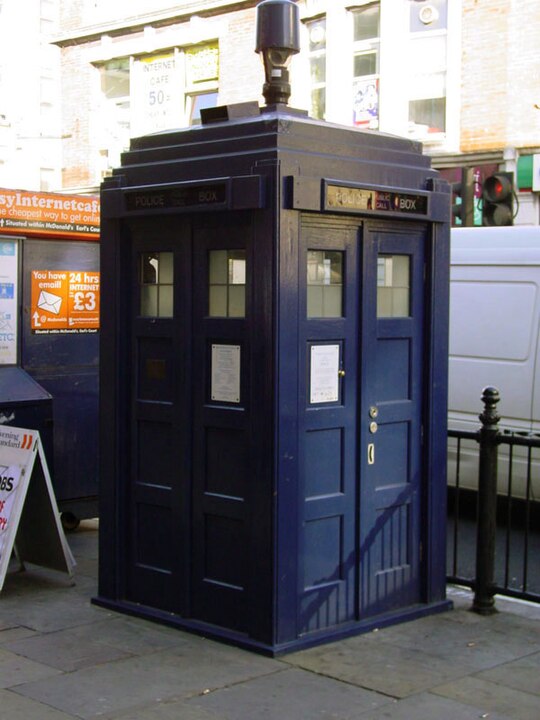
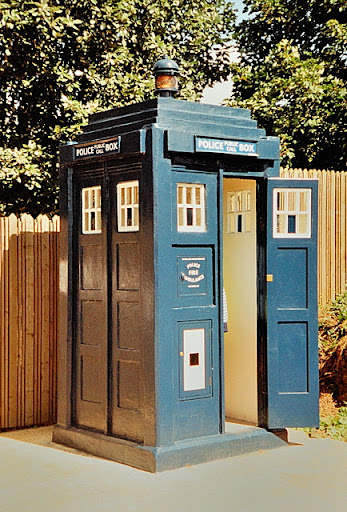
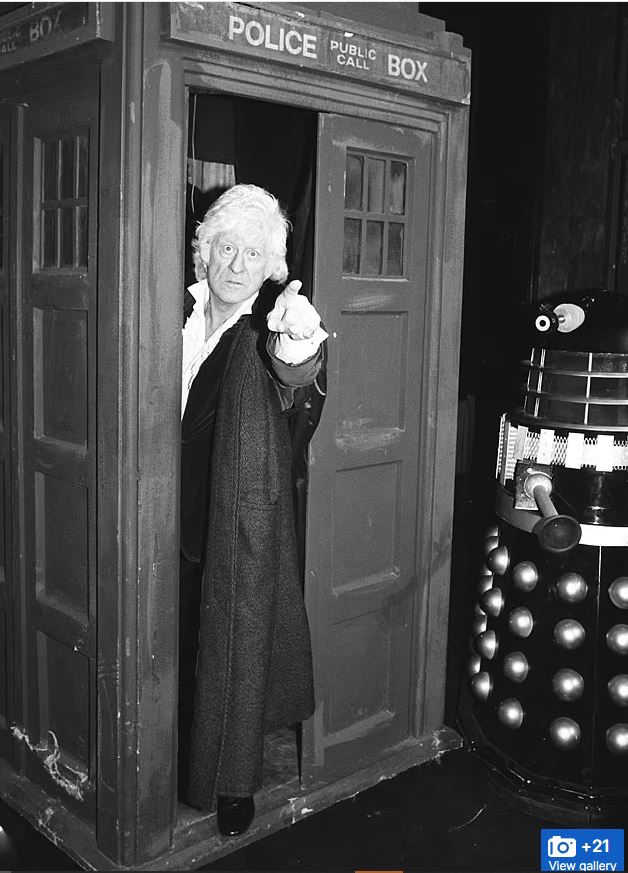
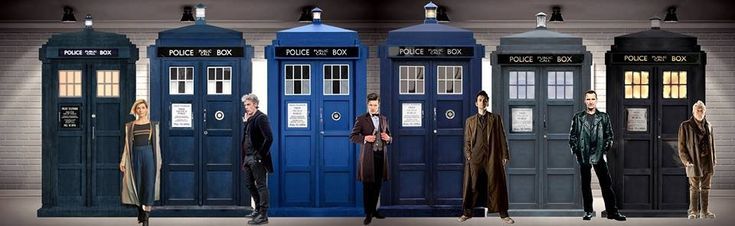
| Date | 1929-1980 Designed by Gilbert MacKenzie Trench, this blue-painted box became famous as the model for the TARDIS in Doctor Who. |
| Manufacturer | regional police forces |
| Usage | Public call box |
| Further notes |
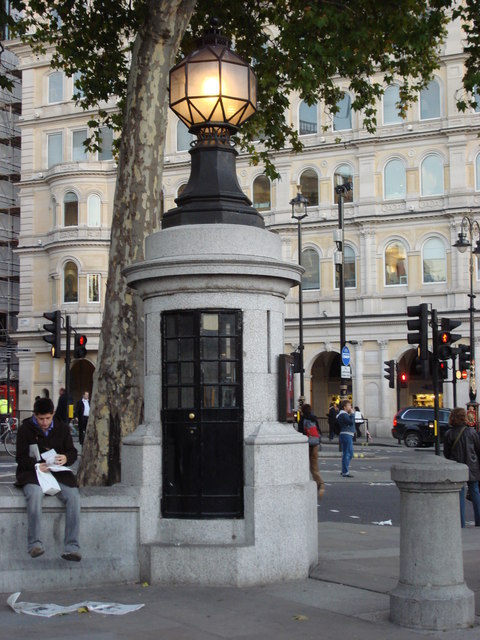
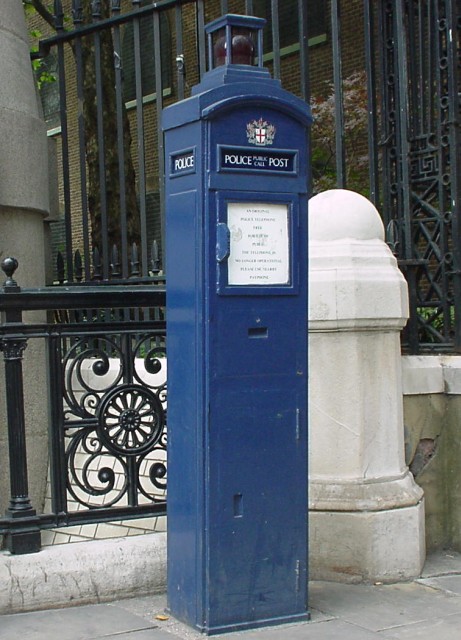
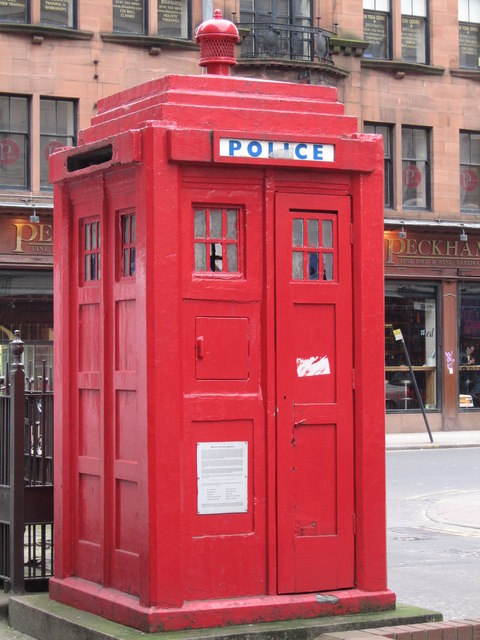
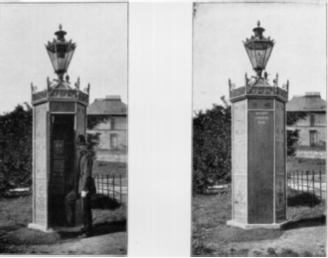
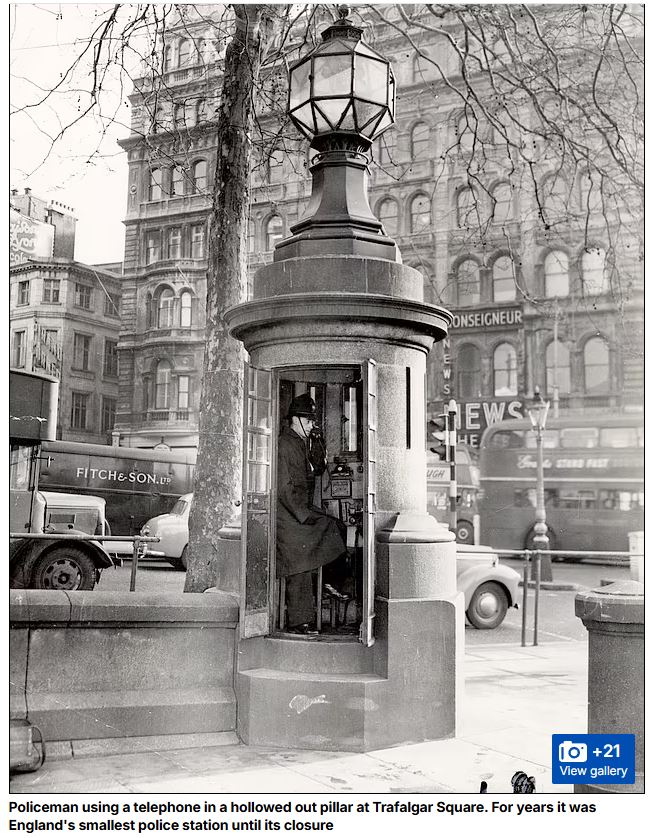
| History of UK Police Call Boxes Police call boxes were once a ubiquitous feature of the British streetscape, serving as essential tools for communication between the public and the police in the pre-radio era. Their development reflected changes in policing, technology, and urban design over the 20th century. The earliest police boxes appeared in the UK in the late 19th century, with experimental types trialled in Glasgow around the 1890s. These early boxes were simple kiosks used by officers to write reports, take shelter, and communicate via telephone. The system expanded in the early 20th century, especially in larger cities where officers were expected to patrol on foot. The first widely adopted police call boxes in the UK were installed in Glasgow from 1901, then in Liverpool, and later in London and other cities. Most designs included a public telephone behind a locked door (often accessible via a coin slot or direct button), allowing citizens to report crimes, fires, or request assistance. Inside, police officers could access a phone connected to the nearest police station, and many boxes included basic equipment such as a stool, desk, lamp, and heating. The most iconic design is the Metropolitan Police box introduced in London in 1929. Designed by Gilbert MacKenzie Trench, this blue-painted box became famous as the model for the TARDIS in Doctor Who. These boxes were made of painted timber with a wooden door and featured a distinctive dome light that would flash to signal a call for the officer. Around 700 of these boxes were installed across London in the 1930s and 1940s. Different cities developed their own styles. Glasgow’s boxes, for example, were typically red and had a more classical architectural form. Edinburgh, Manchester, and Birmingham all had their own variations, usually made of cast iron or concrete and painted in different colours. The standardization of box design was limited, reflecting the independence of regional police forces at the time. By the 1960s, with the rise of personal radios, call boxes became obsolete for police use. Officers could be contacted directly, making the static box redundant. Vandalism and cost of maintenance also contributed to their decline. Most were decommissioned and removed in the 1970s and 1980s. A few examples remain today. London still has some surviving Met Police boxes, especially around tourist areas such as Earl’s Court and outside the Supreme Court on Parliament Square. Glasgow retains several preserved red boxes, now listed as heritage items. Others have been repurposed as micro-libraries, coffee kiosks, or even Wi-Fi hotspots. Though functionally obsolete, police call boxes remain symbols of a past era of civic order and communication. Their place in popular culture, especially via Doctor Who, has preserved them in the public imagination far beyond their original purpose. As such, they offer a tangible reminder of how technology once shaped the daily operations of policing and urban life in the UK. |
 Pay phone Story
Leave a comment