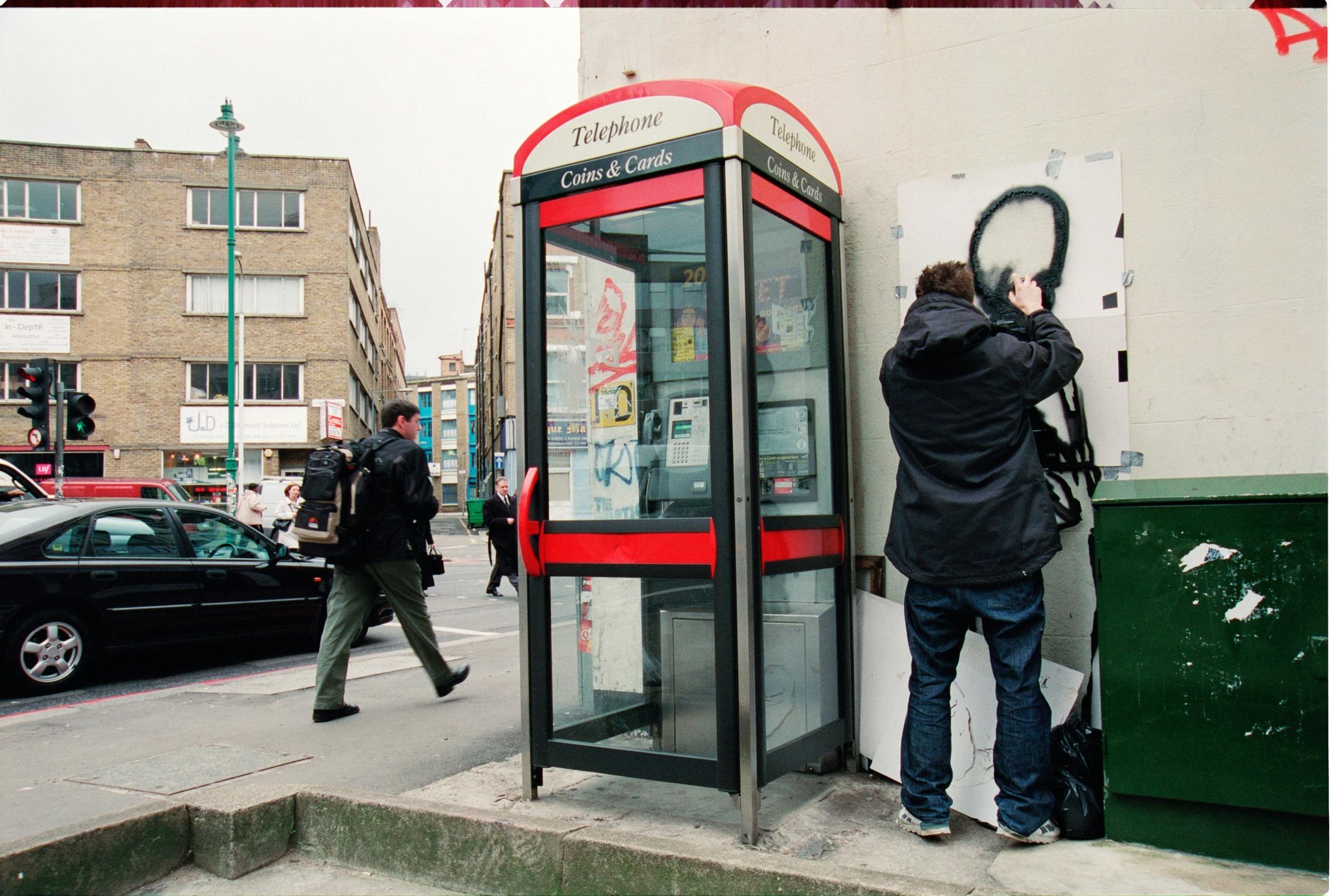
| Name | Kiosk No. KX100 plus |
| Date | 1990-present |
| Manufacturer | GKN Telecommunications |
| Usage | Public call box |

Development of the BT Kiosk No. KX100 plus
| Kiosk No. KX100 plus The KX100 Plus telephone kiosk is an enhanced version of the original KX100 series, introduced by British Telecom in the late 1980s to early 1990s as part of an effort to modernize public payphones while addressing some of the practical and user experience shortcomings of earlier models. The KX100 Plus was designed to provide better durability, improved accessibility, and greater adaptability for evolving telecommunications needs. This kiosk was primarily installed across urban and suburban areas in the United Kingdom, often upgrading existing KX100 models or traditional red boxes in locations requiring more robust and modern public telephony solutions. There are a number of surviving KX100 Plus kiosks today (2025) in various states of repair. Manufactured by GKN Telecommunications contracted by BT, the KX100 Plus used galvanized steel and polycarbonate or toughened glass panels for durability and vandal resistance. The design featured the KX100 with a Soanian dome style painted metal roof. The kiosk was painted in the standard British Telecom blue-grey, a corporate colour scheme that marked a clear departure from the traditional red telephone boxes. Internal lighting was upgraded with more efficient and safer fixtures, improving visibility and security for users. The kiosk dimensions provided ample room for one user, with accessibility features such as wider doorways and better reach to the telephone handset and keypad, reflecting growing awareness of disability access legislation. Ventilation was further improved with larger vents and better airflow design, though the hard surfaces continued to challenge acoustics inside the box. Maintenance was simplified through modular panels and standardized components. The KX100 Plus housed modern push-button payphones, capable of accepting coins, phonecards, and early forms of digital payment, reflecting technological advancements in public telephony. The design allowed relatively easy upgrades to payphone hardware as technology progressed. Placement of the KX100 Plus was managed by British Telecom, often in consultation with local authorities. The kiosks were strategically located to serve areas with ongoing public demand, such as busy pedestrian routes, transport hubs, and shopping areas. The kiosk’s introduction aligned with a political context focused on modernizing infrastructure while attempting to maintain accessible public telephony amid rising mobile phone adoption. Culturally, the KX100 Plus never attained the iconic or nostalgic status of earlier red kiosks like the K6, and it had minimal representation in popular media or British cultural symbolism. Public sentiment during removal campaigns was largely indifferent or pragmatic, with little campaign to preserve this utilitarian model. The KX100 Plus stands as a testament to the pragmatic modernization of British public telephony infrastructure in the late 20th century, marking the transition from iconic heritage designs to functional, technology-driven solutions. |


Leave a Reply