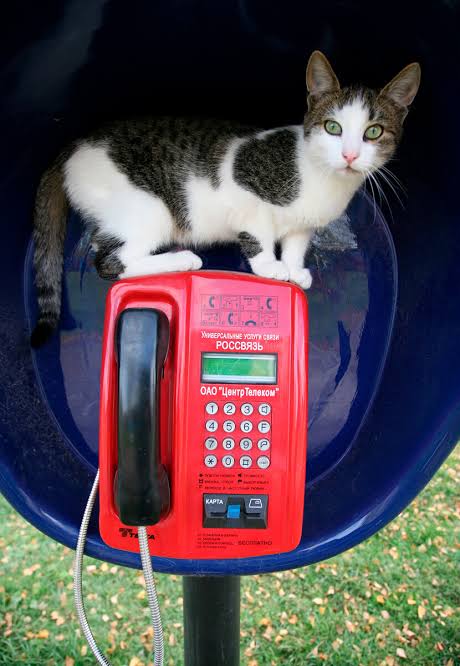
| Name | Russian TMGS (ТМГС) payphones, ТМГС stands for «Таксофон Местной и Городской Связи», roughly translated as “Local and Urban Communications Payphone.” |
| Date | 1990s |
| Manufacturer | Mostly in the Telta telephone factory in Perm, Russia, but some units were also imported. |
| Link | Additional information at Moscow based payphone museum website- https://amt69.ru/ |


Above- the TMGS-15280uus manufactured in the Telta telephone factory in Perm, Russia
Russian TMGS (ТМГС) payphones
Russian TMGS (ТМГС) payphones, ТМГС stands for «Таксофон Местной и Городской Связи», roughly translated as “Local and Urban Communications Payphone.”
In Russian, таксофон simply means payphone.
So TMGS-15280 is essentially a model/designation for a payphone intended for ordinary local/urban telephone networks.

Above- the Telta TMGS-1540


Above- the French made Monetel card payphone (left) and the German GNT smart-card payphone
The TMGS-15280 (ТМГС-15280) was one of the characteristic small Russian card payphones that began appearing during the mid-to-late 1990s, as Russia attempted to modernise its ageing public telephone network. Developed from 1993 and manufactured by the Telta telephone factory in Perm, the design was completed and certified in 1995, after which deliveries began.
Compact and distinctly more modern than the bulky Soviet AMT-69, the TMGS used a rugged metal enclosure, push-button keypad, electronic display and a protected handset cable. Payment was by prepaid electronic smart card, eliminating the coin box and many of the problems caused by Russia’s severe post-Soviet inflation. It could handle local, long-distance and international calls and operate either independently or connected to a remote management centre. Remarkably, it required no separate 220-volt mains supply and was designed for Russia’s extreme climatic conditions.
The TMGS became an important transitional Russian payphone. By the late 1990s, approximately 12,000 had been installed across Russia, including Moscow, Sheremetyevo Airport, Perm and numerous regional cities.
Its appearance therefore became closely associated with the changing streetscape of post-Soviet Russia: a small, practical electronic replacement for the familiar Soviet coin and token telephone. It subsequently became one of Russia’s most widespread domestically manufactured card payphones.


Above- a Spanish made Amper cardphone (left) and a Centertelekom-Telekart-121 payphone
Leave a Reply