| Name | |
| Date | |
| Manufacturer |
Development of Polish Telephone Booths


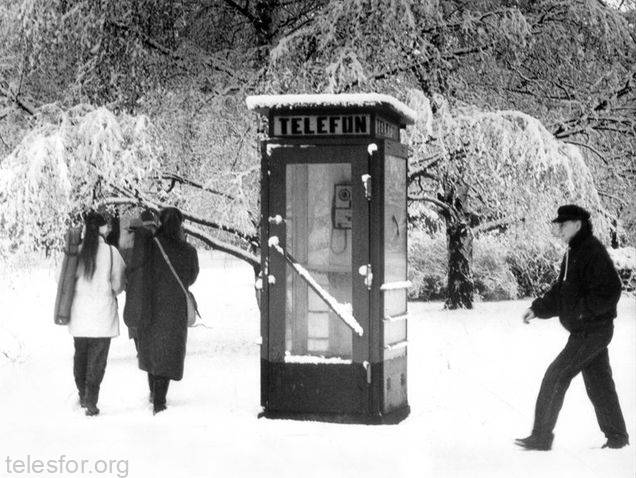
Above- steel and glass Polish telephone booths from the communist era. Very nice steel and glass design. Widely deployed accross Poland.
The end of communist rule in 1989 and Poland’s transition to a market economy brought much greater variety. During the 1990s, Telekomunikacja Polska (TP) modernised the network while new equipment, manufacturers and design ideas became available from Western Europe. Traditional enclosed booths increasingly gave way to lighter aluminium-and-glass kiosks, distinctive polygonal cabins and open acoustic hoods. These were cheaper to install and maintain and better suited to the rapidly expanding payphone network.
The telephone itself also changed dramatically. Older coin-operated equipment was progressively replaced by electronic card and chip-card payphones, including machines produced by Polish and international manufacturers. By the 2000s, TP increasingly treated the payphone as part of a recognisable corporate streetscape, introducing brightly coloured installations such as the later pink “Halo” units.
Ultimately, however, Poland’s modernisation undermined the booth itself. Rapid mobile-phone adoption during the 2000s made public telephones increasingly redundant, and TP finally discontinued its public payphone network in 2017.


Below- the “ear” type street booth


Paragraph- other half boxes that were in use


Below- new yellow boxes that were in use. The hexagonal shaped one is similar to the French booth


Leave a Reply