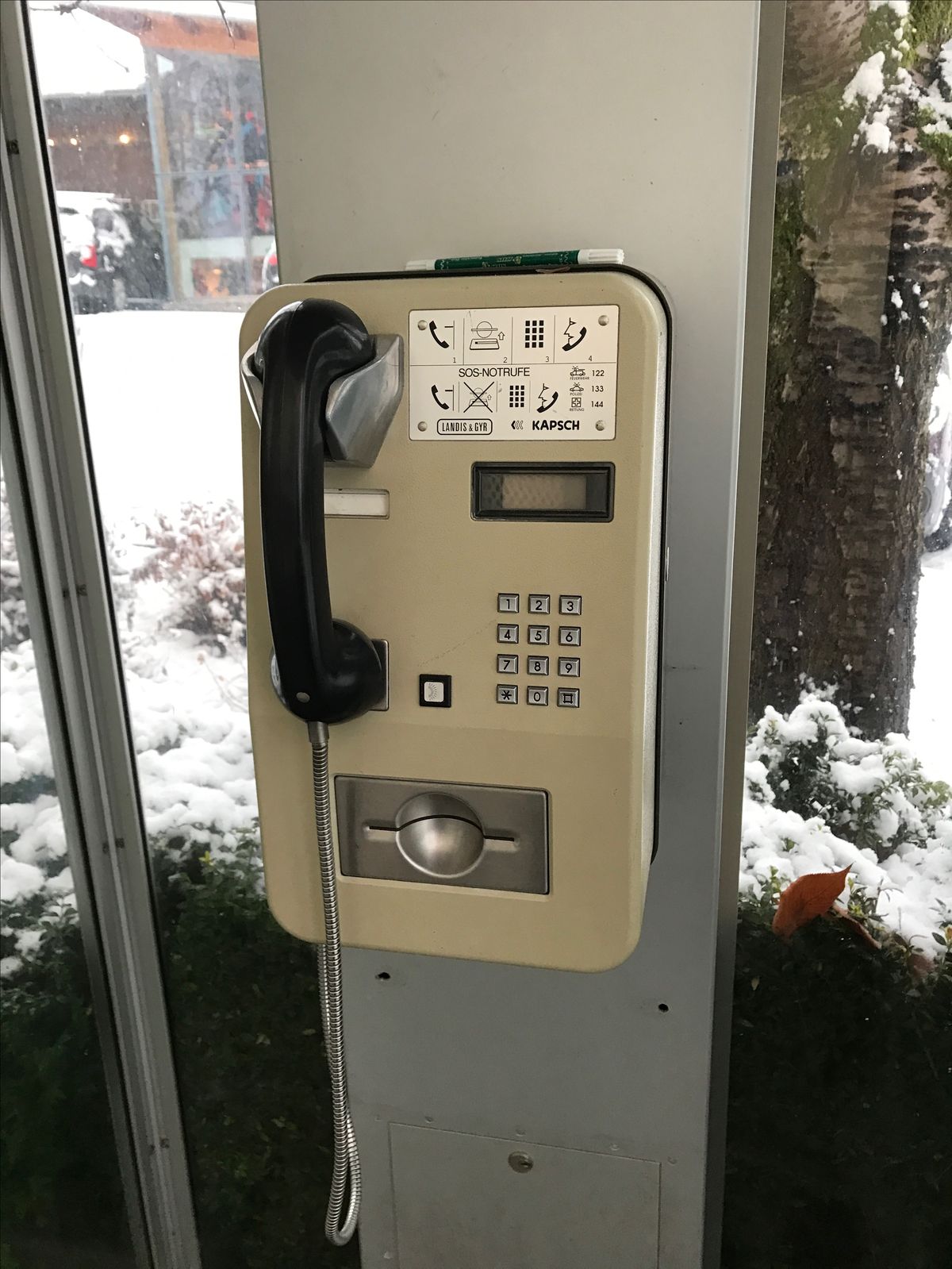
| Name | CP1- Phonecard 1 Payphone Sodeco optical card system |
| Date | early 1980s |
| Manufacturer | Landis & Gyr Switzerland |
| Links | Design precedent- French late 70s card phone Manufactured by Tongya under licence in Taiwan. |


Development of the CP1- Phonecard 1 Payphone
| CP1- Phonecard 1 Payphone (Made by Landis & Gyr) Landis & Gyr (formerly Aeronautical & General) The Phonecard 1 Payphone (CP1), also known as Phonecard No. 1C, was introduced by British Telecom in the early 1980s as the first generation of card-operated public payphones. Manufactured by Landis & Gyr, the CP1 utilized optical Phonecards, which stored prepaid units read by a laser mechanism within the payphone. This cashless system aimed to reduce vandalism and theft associated with coin-operated machines. The CP1 featured a digital display indicating the remaining units on the inserted Phonecard, and it supported local, national, international, and operator-assisted calls. Its design focused on security and ease of use, providing a reliable alternative to coin-operated payphones. As technology advanced, the CP1 was eventually phased out in favor of more versatile models like the Sovereign Multi-Pay Payphone (SM1), which accepted multiple payment methods including coins, chip-based cards, and credit/debit cards. The transition to chip-based cards and the decline in public payphone usage led to the discontinuation of the CP1. |
| It used the Swiss-developed Sodeco optical card system, one of the most important transitional technologies between coin phones and later smartcard payphones. The “Sodeco system” was developed by the Swiss companies Sodeco SA and Landis%2BGyr. The cards were not magnetic stripe cards or chip cards. Instead, they used an optical storage method: tiny fusible spots inside the card were “burned” or altered by the phone as credit units were consumed. The remaining balance could literally be seen through the card as a pattern of used and unused marks. The phones and card-reading systems were largely Swiss-designed, with manufacturing associated with Landis & Gyr/Sodeco facilities in Switzerland, although local assembly and national adaptations often occurred in deployment countries. The optical cards themselves were also heavily associated with Swiss production technology. Deployment was widespread: United Kingdom — British Telecom CP1/Phonecard 1 Belgium — one of the earliest national deployments (1977) France Spain Switzerland Austria Israel Egypt Germany and Southern Europe These systems were considered very secure compared with magnetic systems, because the card’s optical structure was physically altered during use and was difficult to counterfeit. The UK CP1 became iconic partly because it represented BT’s early push away from vandal-prone coin collection. It also fit perfectly with the famous red kiosk era just before the arrival of smartcard and digital payphones in the 1990s. By the mid-1990s BT replaced the optical Sodeco system with chipcard technology, which had greater memory capacity and more flexible tariffing. A particularly interesting detail is that many enthusiasts casually call these “green cards” because of the characteristic green BT Phonecards used with the system. The CP1 reader mechanism had a very distinctive motorised insertion/ejection action that differed greatly from later chipcard readers. Below- Sodeco units used in Spain and NYC |


Leave a Reply